
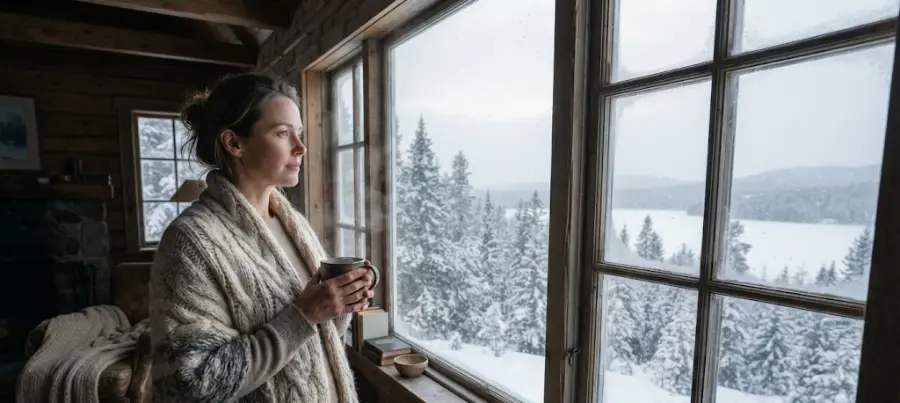
When the days grow short and the air turns cold, our bodies and moods change too. Indian tradition has long paid attention to this, through an idea called ritucharya, or “seasonal routine”. People searching for an Ayurvedic winter routine in the UK, the US and Europe want simple, warm habits that help them feel steady through the dark months.
In this guide, we explain the traditional ideas in clear words, add modern health advice from official sources, and give you a practical day plan. We also point out which parts are tradition, and which are backed by research.
The short version: Ritucharya is the Ayurvedic idea of changing your food, routine and habits with the seasons. For winter, the tradition suggests warm, freshly cooked food, oil massage, gentle exercise, warm clothing and regular sleep. Many of these tips match modern advice. Some are traditional beliefs without strong research, so use them as gentle habits, not as treatments.
▶ Watch the Web Story: Ayurvedic Winter Routine
Table of Contents
What Is Ritucharya? Seasonal Routine in Ayurveda
Ritu means season, and charya means conduct or routine. So ritucharya means “how to live through each season”. It is described in classical Ayurvedic texts such as the Charaka Samhita and the Ashtanga Hridaya, which have a chapter on the subject.
The main idea is simple: the world changes through the year, so our habits should change with it. We eat lighter food in hot weather, and warmer food in cold weather; we dress, sleep and exercise to suit the season.
The six seasons in Indian tradition
Instead of four seasons, Indian tradition counts six, each lasting about two months:
- Vasanta: spring
- Grishma: summer
- Varsha: the monsoon
- Sharad: autumn
- Hemanta: early winter
- Shishira: late winter
Hemanta and Shishira together make the winter season in this scheme. Of course, a winter in Delhi is different from a winter in London or Chicago, so adapt the ideas to your own weather and your own body.
Winter in Ayurveda: Why Winter Is Special
In the traditional view, cold weather makes the digestive fire stronger, so people may feel hungrier in winter. The tradition says this is a good time for nourishing food and for building strength. At the same time, cold and dry air can make the skin dry and the joints stiff, which is why oil massage and warmth are advised.
These are traditional explanations. In modern terms, we know that people often eat more in cold weather, that dry air dries the skin, and that low light can affect mood and sleep. So the practical advice often fits, even when the explanation differs.
Ayurvedic Winter Morning Routine
A calm morning helps the whole day. Here is a gentle routine, adapted for winter:
- Wake at a regular time, and give yourself a minute to stretch in bed.
- Drink a glass of warm water, perhaps with a slice of ginger or lemon.
- Wash your face with warm water, and moisturise.
- Do a few minutes of gentle movement or slow breathing.
- Have a warm, filling breakfast, such as porridge with nuts and fruit.
- Step outside for daylight for 10 minutes, if you can.
Our guide to the Ayurvedic morning routine goes deeper. If you like waking early, read about Brahma muhurta, but in dark winter months, wake as early as feels healthy for you.
Ayurvedic Winter Diet: Food for the Cold Months
Winter food in the tradition is warm, cooked and nourishing. Good examples include:
- soups, stews and dals
- khichdi with vegetables
- root vegetables such as carrots, beetroot and sweet potato
- whole grains: oats, millet, wheat
- nuts and seeds, in small handfuls
- warming spices: ginger, cumin, black pepper, cinnamon
- a little ghee or oil, in moderation
- warm herbal drinks

A word of balance: some winter sweets, such as halwa and laddoo, are rich in ghee and sugar. Enjoy them as occasional treats. Our guide to ghee benefits explains how much is sensible, and our guide to the sattvic diet gives a light, balanced pattern.
Abhyanga: Oil Massage in Winter
Abhyanga is the Ayurvedic practice of massaging the body with warm oil, traditionally sesame oil in winter. People enjoy it as a relaxing way to care for dry skin.
You can try a simple version at home:
- Warm a small amount of plain sesame or another skin-safe oil.
- Massage it into the arms, legs and feet with slow strokes.
- Leave it for about 10 to 15 minutes.
- Wash off with warm water. Be careful, as oil can make floors slippery.
The tradition says it supports warmth and calm. Modern research on this specific practice is limited, but a gentle massage that moisturises skin and relaxes you is harmless for most people. Do a patch test first, and avoid it if you have a skin condition without asking your doctor.

Movement and yoga in winter
In the tradition, winter is a good time for more vigorous exercise, because the body is strong and the cold makes you want to move. In modern terms, any regular movement helps your mood and sleep.
- Take a brisk walk in daylight, dressed warmly.
- Try Surya Namaskar as a warming-up sequence.
- Stretch gently, especially in the morning.
- Add slow breathing, such as alternate nostril breathing, for a few minutes.
Always warm up before exercise, as cold muscles are more easily injured.
Sleep and rest in winter
Longer nights can make us want more sleep, and that is natural. Keep a regular bedtime, and keep your bedroom comfortable, not too hot and not too cold. Avoid heavy meals late at night. Our Ayurvedic bedtime routine has a simple evening plan.
If you feel very low, sleepy or hopeless through the winter months, it may be more than the “winter blues”. Please speak to a doctor.
Dressing and keeping warm
- Wear layers, which are easy to adjust.
- Keep your head, neck, hands and feet covered outdoors.
- Choose natural fabrics such as wool and cotton, if they suit you.
- Keep indoor rooms comfortably warm, not overheated.
- Dry your hair before going outside.
What modern advice adds
Modern health advice has a few helpful additions for winter. For example, the NHS notes that in autumn and winter, when there is less sunlight, many people in the UK are advised to consider taking a daily vitamin D supplement. You can read the details on the NHS vitamin D page and in our guide to vitamin D in winter.
The NCCIH, a US government health agency, reminds us in its overview of Ayurvedic medicine that evidence for many Ayurvedic treatments is limited, and that some products can contain heavy metals. So rely on food, routine and gentle practices, and be careful with herbal products.
Ayurvedic Winter Routine: A Simple Day Plan
- Morning: warm water, gentle stretching, a warm breakfast, 10 minutes of daylight.
- Midday: the main meal, with dal, vegetables and grains.
- Afternoon: a walk or light movement, and a warm herbal drink.
- Evening: a lighter dinner, such as soup or khichdi, early if you can.
- Night: a warm bath or oil massage, quiet time and sleep at a regular hour.
Who should be careful
- People with heart, lung or blood pressure problems should be careful with vigorous exercise in the cold.
- People with diabetes should check with their doctor before big changes in diet.
- Older adults and babies need extra warmth and care in cold weather.
- People with skin conditions should check before using oils.
- Anyone who is pregnant should ask a doctor before trying new herbs or intense practices.
Common myths
- Myth: eating lots of ghee keeps you warm and healthy. A little is fine, but too much adds saturated fat.
- Myth: Ayurveda says never eat cold food. It suggests warm food as a preference, not a strict law.
- Myth: winter herbs prevent colds. No herb is proven to prevent colds.
- Myth: you must follow all rules. A few steady habits are enough.
Building your Ayurvedic winter routine step by step
The easiest way to start an Ayurvedic winter routine is to change one thing at a time. If you try to change everything on the first day, it will not last. Here is a gentle plan over four weeks:
- Week 1: drink warm water in the morning and eat one warm, fresh meal a day.
- Week 2: add ten minutes of daylight and gentle movement.
- Week 3: add a calm evening routine with an earlier, lighter dinner.
- Week 4: try a weekly oil massage and keep a regular bedtime.
At the end of the month, notice how you feel. Do you sleep better? Do you feel warmer and calmer? Keep what helps and drop what does not. Your Ayurvedic winter routine should fit your life, not the other way round.
Warm drinks for cold days
Warm drinks are a lovely part of winter, and many are simple to make at home.
- Ginger and lemon water: a slice of fresh ginger and lemon in hot water.
- Cumin, coriander and fennel tea: a pinch of each steeped for five minutes.
- Warm turmeric milk: milk or a plant milk with a little turmeric. See our guide to turmeric.
- Tulsi tea: see our tulsi guide for the recipe and safety notes.
Go easy on sugar and caffeine, and drink enough water through the day, because indoor heating can dry the air and the body.
Winter skin and hair care
Cold air and indoor heating can leave skin dry and lips cracked. The tradition suggests oil, warm water and gentle care. Modern skin advice is similar.
- Use lukewarm water, not very hot, for washing.
- Moisturise right after a bath, when the skin is damp.
- Use a gentle, unscented moisturiser or a plain oil you know suits your skin.
- Protect your lips and hands with a balm or cream.
- Drink water, and eat healthy fats such as nuts and seeds.
If your skin becomes very dry, itchy, red or cracked, see a doctor or pharmacist, as it may need medical treatment.
Mood, light and the winter blues
Short days can affect mood and energy. Many people feel more tired and less motivated in winter. Spending time outdoors in daylight, keeping a regular sleep schedule, staying active and meeting friends all help.
Ayurvedic tradition adds calming practices, such as slow breathing and quiet chanting. See our guides to alternate nostril breathing and Vedic chanting and stress.
However, if low mood lasts for more than a couple of weeks, or you feel hopeless, please speak to a doctor or a mental health professional. Winter low mood is common, but you do not need to cope alone.
Winter immunity: realistic expectations
Many people look for an Ayurvedic winter routine to boost immunity. It is important to be realistic. Healthy habits such as sleep, balanced food, movement and handwashing support your body’s defences. But no herb or routine can guarantee that you will not catch a cold.
Follow official advice on vaccines, such as the flu vaccine for people who are eligible. See our guide to an Ayurvedic daily routine for immunity for a calm, balanced approach, and keep medical care as your first line of protection.
Planning your winter kitchen
A little planning makes warm winter cooking easy.
- Keep staples at home: lentils, rice, oats, canned tomatoes and frozen vegetables.
- Batch cook a big pot of soup or dal on the weekend.
- Stock warming spices: ginger, cumin, coriander, cinnamon and black pepper.
- Prepare nuts and seeds in small jars for snacks.
- Choose seasonal local vegetables, which are fresher and cheaper.
Cooking at home also lets you control salt, oil and sugar, which is a big plus for health.
Winter travel and holidays
Winter often brings travel, festivals and family gatherings. These can disturb routines. A few small steps help you stay steady.
- Carry a warm layer, a reusable water bottle and healthy snacks.
- Keep your bedtime as close to normal as you can.
- Eat a proper breakfast before long journeys.
- Walk for a few minutes every couple of hours when travelling.
- Enjoy festival food mindfully, and return to your routine the next day.
Being flexible matters more than being perfect. A routine is there to support you, not to make you anxious.
A gentle evening ritual for cold nights
Evening is a good time to slow down. Dim the lights, switch off screens, and have a light, warm dinner. Take a warm bath or wash your feet with warm water. If you like, give your feet a gentle oil massage, which many people find soothing before sleep.
Then sit quietly for a few minutes. You might do slow breathing, read something calm, or say a short thanks for the day. This quiet time tells your body that it is time to rest. Over a few weeks, it can become the most loved part of your Ayurvedic winter routine.
End with a regular bedtime, and keep your room dark, quiet and comfortably warm. If you wake in the night, avoid bright screens, and try a few slow breaths.
One more tip: keep it kind
Seasonal routines are meant to make life easier, not harder. If you miss a morning, forget the oil massage or eat a rich festival meal, simply carry on. The aim is a steady, warm and kind way of living through the cold months, not a perfect score.
Pick the two or three habits that bring you the most comfort, such as a warm drink, a daylight walk and an earlier bedtime, and let the rest be optional.
Ayurvedic Winter Routine FAQs
What is ritucharya?
It is the Ayurvedic idea of changing your routine and diet with the seasons.
What should I eat in winter according to Ayurveda?
Warm, freshly cooked food such as soups, dals, khichdi, root vegetables and whole grains, with warming spices.
Is oil massage good in winter?
Many people find it relaxing and good for dry skin. Test a small patch first.
Is Ayurveda enough for winter health?
It can give helpful habits, but follow your doctor’s advice, and get vaccinations and medical care when needed.
Can I follow this in a cold country?
Yes. Adapt the ideas to your weather, and focus on warm food, daylight, movement and sleep.
Further reading
This article is for general education and cultural information, not medical advice. If symptoms persist or worry you, please speak with a qualified healthcare professional. Images on this page were created with AI.