
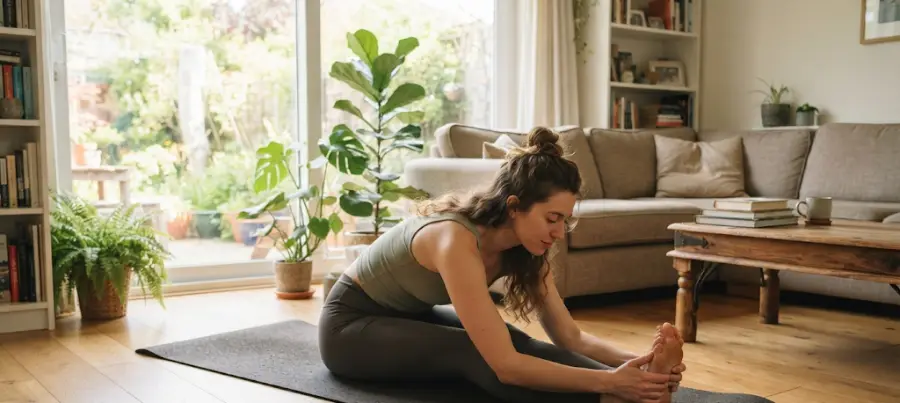
Irregular periods, acne, extra hair growth, hair thinning, weight gain that will not shift and difficulty getting pregnant: for millions of women, these are signs of PCOS. Searches for a PCOS diet are among the most common health searches by women in India, the UK, the US and Europe, and a lot of the advice online is confusing or exaggerated.
In this guide, we explain what PCOS is, what the NHS says about symptoms, treatment and lifestyle, and what a realistic eating and movement plan looks like. We also look at what Ayurveda and the Gita teach about balance, and we are honest that no diet or herb cures PCOS.
The short version: PCOS is a hormone condition that can cause irregular periods, excess hair growth, acne, weight gain and fertility problems. The NHS says it cannot be cured, but treatment and lifestyle changes help: a healthy balanced diet, regular exercise, weight loss if overweight, and medicines when needed. A PCOS diet is about steady, fibre-rich, home-cooked food, not crash diets or special “detox” plans.
▶ Watch the Web Story: PCOS Diet and Lifestyle
Table of Contents
What Is PCOS? Polycystic Ovary Syndrome Explained
PCOS stands for polycystic ovary syndrome. It is a common hormone condition that can affect hair growth, periods, fertility and mood. Symptoms usually start around puberty and can continue until menopause. The severity varies a lot, and some women have very few signs.
The NHS says there is no cure for PCOS, but treatment and lifestyle changes can help control symptoms. That is an important and hopeful message. You can feel better, even though the condition does not disappear.
A note on the new name
The NHS now uses the name polyendocrine metabolic ovarian syndrome (PMOS) for this condition, which was formerly called PCOS. Many people and websites still say PCOS, so we use both names here to help you find reliable information. The condition and the advice are the same.
PCOS Symptoms
The NHS page on PCOS lists these common symptoms:
- irregular or infrequent periods
- excess hair growth on the face or body, or hair loss from the scalp
- weight gain or difficulty losing weight
- difficulty getting pregnant
- low mood or anxiety
- oily skin and acne
- tiredness
- thick, dark patches of skin on the neck or armpits
Many of these symptoms have other causes, so it is important to be checked, as the NHS advises.
What Causes PCOS?
The NHS says the exact cause is unknown. It may involve insulin and testosterone not working properly. The risk is higher if a close relative has it, or if you are of Asian background. This matters for readers of South Asian origin, so be alert to symptoms, and do not feel ashamed to ask for help.

Why the diagnosis needs a doctor
According to the NHS, a doctor may arrange blood tests for hormone levels and insulin resistance, and an ultrasound scan of the ovaries (done only for those over 18). They may refer you to a gynaecologist or endocrinologist. Please do not diagnose yourself from a social media quiz. Other conditions, such as an underactive thyroid, can cause similar symptoms. See our guide to an underactive thyroid.
What a PCOS diet looks like
The NHS gives simple, firm advice: eat a healthy, balanced diet, exercise regularly, and aim to lose weight if you are overweight. There is no single magic PCOS diet. A good pattern for most women looks like this:
- plenty of vegetables and fruit
- wholegrains instead of refined flour, such as brown rice, oats, millets and whole wheat
- pulses such as dal, chickpeas and rajma, for fibre and protein
- lean protein, eggs, fish, paneer or tofu, according to your diet
- nuts and seeds in small handfuls
- unsaturated oils in small amounts
- less sugar, sweets, sugary drinks and ultra-processed snacks
Because PCOS is linked to insulin and the risk of type 2 diabetes, many of the same ideas apply as in our guide to the type 2 diabetes diet. A dietitian can help you adapt the plan to your needs, your culture and your budget.
PCOS Diet Plan: A Sample Indian Day
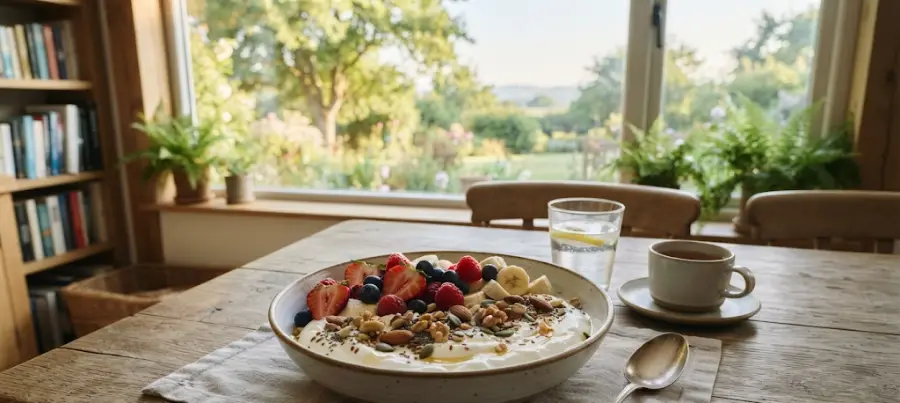
- Breakfast: vegetable besan chilla, or oats with nuts and berries or other fruit
- Lunch: dal, vegetables, a small portion of brown rice or one roti, and salad
- Snack: roasted chana, a fruit, or curd with seeds
- Dinner: vegetable and lentil soup or khichdi, with a side of vegetables
- Water: plenty through the day, and herbal tea without sugar
Eating at regular times and not skipping meals helps many women avoid big hunger and cravings. Avoid very low-calorie crash diets. They can make tiredness and mood worse, and they are hard to keep.
Best Exercise for PCOS
Exercise helps the body use insulin better, supports weight management, and lifts mood. The NHS advises regular exercise, and general guidance is at least 150 minutes of moderate activity a week.
- brisk walking, cycling or swimming
- dancing, which is fun and easy to do at home
- strength exercises twice a week, such as squats and resistance bands
- gentle yoga, such as sun salutation, if your doctor agrees. See our guide to Surya Namaskar
Find something you enjoy. The best exercise is the one you will actually do.
Weight, sleep and stress
The NHS says to aim to lose weight if you are overweight, and gives links to free support. Even a modest loss can help periods and symptoms for some women. It is worth saying kindly that PCOS can make weight loss harder, and that this is not your fault.
Sleep and stress matter too. Poor sleep and constant stress can push you toward cravings and low energy. A regular bedtime, a screen-free hour before bed and a few minutes of slow breathing can help. See our guides to yoga nidra, alternate nostril breathing and natural stress relief. The NHS also suggests talking therapy if symptoms cause depression or anxiety.
PCOS Treatment: What the NHS Says
Treatment depends on your symptoms and whether you want to become pregnant. According to the NHS, options include:
- the combined pill, progestogen-only pill or a hormonal coil to regulate periods
- clomifene to help with fertility
- spironolactone or eflornithine cream for unwanted facial and body hair
- metformin for tiredness and weight problems in some cases
- weight loss medicines for some people who are overweight
- skin treatments for acne
- hair removal methods such as shaving, waxing, creams, electrolysis or laser
Only your doctor can say which of these suits you. Never take someone else’s tablets.
Fertility and periods
The NHS explains that difficulty getting pregnant is usually because the ovaries do not release an egg each month. Medicines such as clomifene can help, and in some cases, a small operation called laparoscopic ovarian drilling is suggested if other treatments have not worked. Many women with PCOS do conceive, with or without help.
If you do not have periods for several months, tell your doctor, because long gaps can affect the lining of the womb. If you are trying to conceive, speak to a doctor early, rather than waiting for a year.
Long-term health checks
The NHS says PCOS can increase the risk of type 2 diabetes, high blood pressure, cardiovascular disease, fatty liver disease and womb cancer. Regular check-ups can reduce these risks. It makes sense to read about these conditions: how to lower blood pressure naturally and the high cholesterol diet.
What the Gita and Ayurveda say about balance
Ayurveda describes many conditions of the menstrual cycle and fertility, but its categories do not match modern diagnoses, so we should not mix them. What the texts do offer is a message of balance. The Bhagavad Gita says:
नात्यश्नतस्तु योगोऽस्ति न चैकान्तमनश्नतः । न चातिस्वप्नशीलस्य जाग्रतो नैव चार्जुन ॥
nātyaśnatas tu yogo’sti na caikāntam anaśnataḥ | na cātisvapnaśīlasya jāgrato naiva cārjuna ||
Bhagavad Gita 6.16
Meaning: Yoga is not for one who eats too much, nor for one who does not eat at all; nor for one who sleeps too much, nor for one who is always awake.
The verse speaks against extremes: neither overeating nor starving, neither oversleeping nor sleeplessness. For a woman with PCOS, it is a kind reminder to avoid both crash diets and heavy, irregular eating, and to look for a steady middle path. It is spiritual guidance, not a treatment. Read more in our guide to Ayurveda and the Atharvaveda.
Herbs for PCOS: A Careful View of Supplements
Shatavari, ashwagandha, cinnamon, spearmint tea, inositol and many other products are marketed for PCOS. Be careful:
- The NCCIH says there are few well-designed studies of Ayurvedic treatments, and some Ayurvedic products have been found to contain lead, mercury or arsenic.
- Herbs can affect hormones, blood sugar and blood pressure, and some are not safe during pregnancy or when trying to conceive.
- Tell your doctor about everything you take.
- Do not stop prescribed medicine for a herbal product.
Common myths
- Myth: PCOS can be cured by a detox or a special tea. There is no cure. Detox plans are not proven.
- Myth: only overweight women have PCOS. Women of any weight can have it.
- Myth: you cannot get pregnant with PCOS. Many women do, sometimes with treatment.
- Myth: you must stop all carbohydrates. Wholegrains and pulses are part of a balanced plan.
- Myth: if my periods are regular, I do not have it. A doctor should assess your symptoms.
Building a PCOS diet on a budget
A helpful PCOS diet does not need imported superfoods. Many of the best choices are cheap Indian staples.
- Dried pulses such as moong, masoor and chana, bought in bulk.
- Seasonal vegetables from the local market.
- Oats, millets, whole wheat flour and brown rice.
- Eggs, curd and paneer, if you eat them, in sensible portions.
- Small bags of nuts and seeds, measured into a handful.
Home-cooked meals cost less than packaged health foods, and they let you control oil, salt and sugar.
Cravings, sweets and festivals
Many women with PCOS notice strong cravings for sugar. Eating regular meals with protein and fibre often helps. Keep fruit, roasted chana or nuts at hand, so you are not reaching for biscuits when hungry.
At festivals, you do not need to refuse sweets. Have a small piece after a proper meal, eat it slowly, and enjoy it. Then return to your normal pattern the next day. Guilt does not help hormones, and a flexible attitude is more sustainable than strict rules.
If you find that you eat in a way that feels out of control, or you are preoccupied with food and weight, please speak to your doctor. Support is available, and you do not need to cope alone.
Acne, hair and skin: practical care
Skin and hair changes can affect confidence. Alongside medical treatment, a few simple habits can help.
- Wash your face gently twice a day, and avoid harsh scrubbing.
- Use non-comedogenic moisturisers and sun protection.
- Do not squeeze spots, which can lead to scars.
- Choose a hair removal method that suits your skin. The NHS lists shaving, waxing, creams, electrolysis and laser.
- Ask your doctor about medicines if acne or hair growth is distressing.
Remember that these symptoms are caused by hormones, not by anything you did wrong.
Looking after your mood
The NHS lists low mood and anxiety among the possible features of PCOS, and it suggests talking therapy if symptoms cause depression or anxiety. This is common and treatable.
Simple daily supports include a regular sleep routine, movement you enjoy, time outdoors and talking with trusted people. Our guides to Vedic chanting and stress and the Shanti mantra offer calm practices you can try. If you feel hopeless, or have thoughts of self-harm, please contact a doctor or emergency services right away.
Talking to your family and partner
In many families, periods, fertility and weight are not discussed openly. This can make women with PCOS feel alone or blamed. It can help to share a simple explanation: PCOS is a common hormone condition, it is not anyone’s fault, and treatment and healthy habits help.
You can invite a partner or relative to a doctor’s visit, or share a trusted page such as the NHS guide. Cooking healthy meals for the whole family, and walking together, turns the effort into a shared habit rather than a burden on one person.
A simple four-week PCOS lifestyle plan
This plan is for women who have already seen a doctor. It does not change any medicine.
- Week 1: eat three regular meals a day, and add a vegetable and a pulse to lunch and dinner.
- Week 2: swap refined flour and white rice for wholegrains in one meal each day, and cut sugary drinks.
- Week 3: walk briskly for 30 minutes on most days, or dance at home to your favourite music.
- Week 4: add two short strength sessions, and set a regular bedtime.
Track your periods, mood and energy in a small diary. Bring it to your next appointment. Even if the scale does not move, many women notice better energy and cycles. A realistic PCOS diet is one you can keep for years, not weeks.
When to see a doctor
The NHS advises you to make a non-urgent appointment if you think you might have PCOS, or if symptoms affect your daily life, work or relationships. Also seek advice if your periods stop for several months, you have been trying to conceive without success, you feel very thirsty or tired, or you have low mood that does not lift.
Seek urgent help for severe, sudden pain in the lower abdomen, heavy bleeding that soaks through pads quickly, or fainting. These are not typical PCOS symptoms and need prompt attention.
PCOS Diet FAQs
What is the best PCOS diet?
The NHS advises a healthy balanced diet, regular exercise and weight loss if you are overweight. There is no single special diet.
Can PCOS be cured?
The NHS says there is no cure, but treatment and lifestyle changes can control symptoms.
Is rice allowed with PCOS?
Yes, in moderate portions, preferably brown rice or other wholegrains, with plenty of vegetables and dal.
Can I get pregnant with PCOS?
Many women do. If you are having difficulty, talk to your doctor about treatment options.
Is PCOS the same as PMOS?
Yes. The NHS now uses PMOS for the condition formerly called PCOS.
Further reading
- NHS: Polycystic ovary syndrome (PCOS)
- NCCIH: Ayurvedic Medicine In Depth
- Our guide to the type 2 diabetes diet
This article is for general education and cultural information, not medical advice. If symptoms persist or worry you, please speak with a qualified healthcare professional. Images on this page were created with AI.