
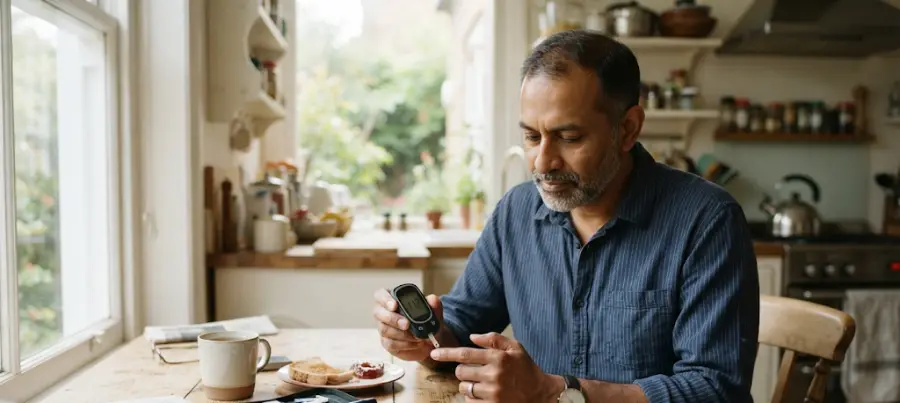
Few health problems are as common today as type 2 diabetes. Many families have at least one person who checks blood sugar every day. Many others are told they are “prediabetic” and do not know what to do. If you are searching for a clear type 2 diabetes diet that is also respectful of Indian food and tradition, this guide is for you.
We will explain what the condition is, what the NHS says about food, exercise and treatment, and what Ayurveda and the old texts teach about balance. We will also be clear about what is proven, what is only tradition, and where herbs can do harm. This is education, not a replacement for your doctor.
The short version: Type 2 diabetes is a condition in which insulin does not work properly or is too little, so blood sugar becomes too high. The NHS advises plenty of fruit, vegetables, wholegrains and pulses, regular activity (at least 2.5 hours a week), weight loss if overweight, and less processed food high in salt and sugar. Medicines are often needed. No herb or supplement has been shown to replace treatment.
▶ Watch the Web Story: Type 2 Diabetes Diet
Table of Contents
What Is Type 2 Diabetes? Meaning and Basics
The NHS explains that type 2 diabetes is when a hormone called insulin does not work properly, or there is not enough of it. Insulin helps sugar (glucose) move from the blood into the body’s cells. When it does not work well, sugar stays in the blood at too high a level.
Over years, high blood sugar can damage the eyes, kidneys, nerves, feet and heart. The good news is that early care, healthy habits and the right medicine can protect you.
Type 2 Diabetes Symptoms and Who Is at Risk
According to the NHS symptoms page, common signs include:
- feeling very tired
- urinating more than usual, especially at night
- constant thirst
- losing weight without trying
- blurred vision
- cuts or wounds that heal slowly
- itching around the genitals or repeated thrush
Many people have no symptoms at all, so checking is important. The NHS lists these risk factors:
- being white and over 40, or over 25 if you are South Asian, Chinese, Black African or Black Caribbean
- having a parent or sibling with type 2 diabetes
- being overweight and not very active
- having other conditions such as high blood pressure
This matters for readers from India and South Asia, because the NHS counts South Asian background as a higher-risk group at a younger age. If this describes you, ask your doctor or pharmacist about a check.
Why a doctor’s check matters first
Diagnosis is done with a blood test. A doctor can tell you whether your sugar is normal, in the “prediabetes” range, or high enough for diabetes. The NHS notes that prediabetes means blood sugar is higher than normal but not high enough for a diagnosis, and that healthier eating and more activity can help prevent type 2 diabetes.
Please do not guess. Do not decide you have diabetes, or do not have it, from a home remedy or a social media post. And if you already take medicine, never stop it because of something you read online. That can be dangerous.
What Ayurveda and the shastras say about balance
Ayurveda, the traditional Indian system of health, describes a condition called madhumeha, often linked in tradition with sweet urine and heavy, sedentary living. This is a traditional category, not the same as the modern diagnosis, so we should not mix the two.
What we can honestly take from the texts is the idea of balance in food, rest and activity. The Bhagavad Gita, a text of the Sanatan tradition, says:
युक्ताहारविहारस्य युक्तचेष्टस्य कर्मसु । युक्तस्वप्नावबोधस्य योगो भवति दुःखहा ॥
yuktāhāra-vihārasya yukta-ceṣṭasya karmasu | yukta-svapnāvabodhasya yogo bhavati duḥkhahā ||
Bhagavad Gita 6.17
Meaning: For one who is moderate in eating and recreation, moderate in effort, and moderate in sleep and waking, yoga becomes a destroyer of suffering.
Moderation in food, effort and sleep is exactly what modern diabetes care also stresses. This verse is spiritual guidance, not a treatment, but its message fits very well. You can read about the roots of Ayurveda in our guide to Ayurveda and the Atharvaveda.
What a type 2 diabetes diet looks like
The NHS treatment page gives clear food advice for people with type 2 diabetes:
- eat plenty of fruit, vegetables, wholegrain foods and pulses
- cut back on processed foods high in salt and sugar
- lose weight if you are overweight
- limit alcohol and do not smoke
- if changing your diet feels hard, make one small change each week
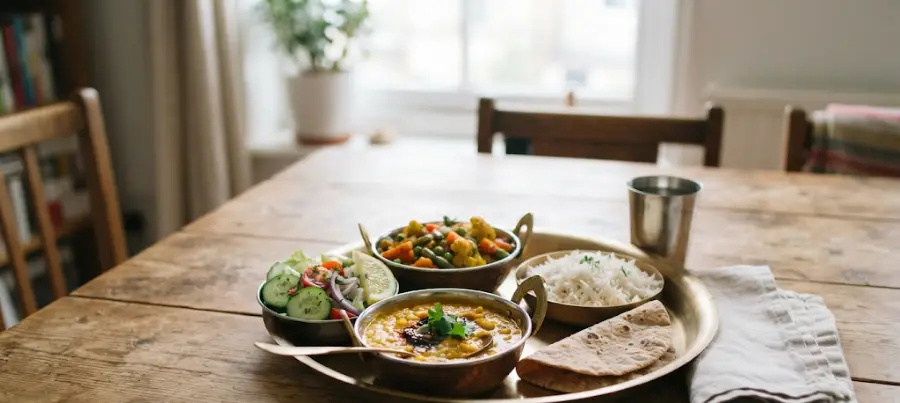
In practice, an Indian-style plate can look like this:
- Half the plate: vegetables, such as gourd, beans, spinach, cauliflower or salad
- A quarter: pulses and protein, such as dal, rajma, chickpeas, sprouts, paneer or tofu
- A quarter: wholegrain, such as a roti or brown rice in a modest portion
- A little: unsaturated oil, a few nuts, and curd if you eat dairy
Our guides to the sattvic diet and fibremaxxing show how fibre-rich, home-cooked food can fit into daily life.
Type 2 Diabetes Diet Plan: A Sample Day of Indian Meals
- Breakfast: vegetable besan chilla or oats with nuts, and a small fruit.
- Mid-morning: a handful of roasted chana or a cup of buttermilk.
- Lunch: dal, a large vegetable dish, one roti or a small portion of brown rice, and salad.
- Evening: unsweetened tea and a few almonds.
- Dinner: a light vegetable soup or khichdi with plenty of vegetables, earlier in the evening.
This is only an example. Portion sizes and carbohydrates need to match your medicines and your doctor’s or dietitian’s advice. The NHS says the diet should be planned with your care team, especially if you take insulin.
Foods to Avoid or Limit With Type 2 Diabetes
- sugary drinks, sweets, mithai and bakery items
- white bread, maida snacks and refined cereals in large amounts
- deep-fried snacks such as samosas and pakoras
- very salty processed foods
- large portions of white rice
- fruit juice, which is high in sugar and low in fibre
- alcohol in excess
Note that you do not have to give up foods you love for ever. The aim is smaller portions, fewer treats and better choices most of the time.
Exercise and Daily Routine for Blood Sugar Control
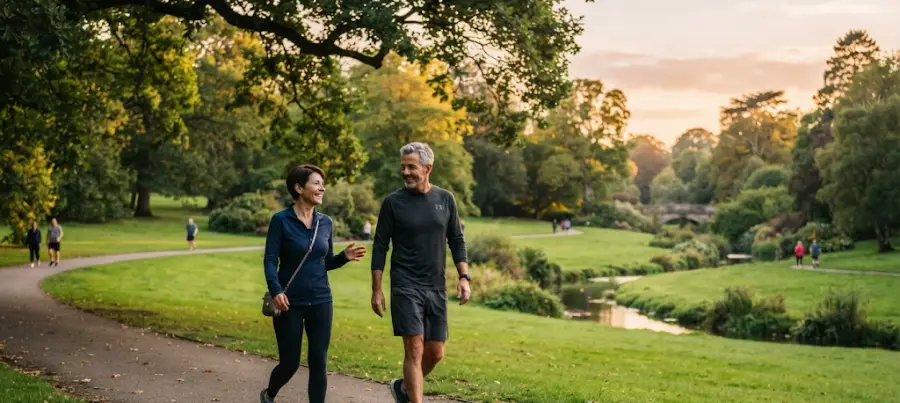
The NHS advises at least 2.5 hours a week of walking or other activity that makes you breathless. That is about 20 minutes a day, or 30 minutes on five days. Brisk walking after meals is a simple start.
- Walk for 10 to 15 minutes after main meals.
- Take the stairs when you can.
- Stand up and move every hour if you sit for work.
- Add two days of simple strength exercises, such as squats and wall push-ups, if your doctor agrees.
Gentle sun salutation can be part of this. See our guide to Surya Namaskar, and speak to your doctor first if you have eye, foot or heart problems.
Sleep, stress and weight
Poor sleep and constant stress can make blood sugar harder to manage. Weight loss, if you are overweight, helps many people. The NHS says that lifestyle changes can sometimes bring blood sugar down to a normal level, which is called remission. This is not a cure, and it needs medical follow-up.
Try a regular bedtime, a calm evening routine, and a few minutes of slow breathing. Our Ayurvedic bedtime routine and natural stress relief techniques give simple ideas.
Herbs for Diabetes: What the Evidence Says About Supplements
Many people ask about fenugreek, bitter gourd, cinnamon, turmeric and other herbs. The NCCIH, a US government health agency, reviewed the science on type 2 diabetes and dietary supplements. Its summary: there is not enough scientific evidence to show that any dietary supplement can help manage or prevent type 2 diabetes.
- Cinnamon: results are mixed. A 2012 Cochrane review found insufficient evidence. Common cassia cinnamon contains coumarin, which may harm the liver in large amounts.
- Chromium: results are mixed, and large doses have been linked to rare but serious harm.
- Other herbs: the NCCIH page does not support them, and we do not claim they work.
Herbs can also lower blood sugar too much when combined with diabetes medicines. Always talk to your doctor or pharmacist before you use any. See also our guide to turmeric.
Yoga and breathing as support
Yoga, walking and slow breathing can help with stress and activity, which are part of good diabetes care. They are not a replacement for medicine. Start gently, avoid very hot or extreme poses, and stop if you feel dizzy. Our guides to alternate nostril breathing and yoga nidra offer calm, low-effort practices.
Checks and tests you should know
The NHS lists these regular checks for people with type 2 diabetes:
- HbA1c (your average blood sugar): every 3 to 6 months
- Foot check: every 1 to 2 years, depending on risk
- Eye screening: at diagnosis, then every 1 to 2 years
- Weight, BMI, cholesterol, blood pressure and kidney function: at least once a year
These checks catch problems early. Keep a small notebook with your results and appointments.
Safety: low sugar and medicines
If you take insulin or some tablets, your sugar can fall too low (a “hypo”). Signs include shaking, sweating, hunger, headache and confusion. Carry a quick sugar source as advised by your doctor.
- Do not start a very strict or very low-calorie diet without advice, especially if you take diabetes medicine.
- Do not stop or change medicine on your own.
- If you are vomiting, have diarrhoea or a high temperature, contact your doctor or NHS 111, as advised by the NHS.
- Do not rely on a herbal product instead of your medicine.
Common myths
- Myth: a herb cures diabetes. No herb has been proven to cure it.
- Myth: only sugar causes diabetes. Weight, inactivity, family history and other factors matter.
- Myth: you can stop medicine once sugar is normal. Never stop without your doctor’s advice.
- Myth: fruit is forbidden. Whole fruit in sensible portions is fine for most people.
- Myth: Ayurveda alone is enough. It can support healthy habits, but it does not replace medical care.
Building a type 2 diabetes diet on a budget
A healthy diet does not have to be expensive. Many of the best foods for blood sugar care are everyday Indian staples.
- Buy dried pulses, such as moong, masoor, chana and rajma, in bulk. They are cheap and rich in fibre and protein.
- Choose seasonal vegetables, which are fresher and cheaper.
- Use whole wheat flour, oats, millet or brown rice in place of refined grains.
- Cook in batches, and freeze portions.
- Keep a small bag of mixed nuts and seeds, and measure a small handful each day.
A simple type 2 diabetes diet built on dal, vegetables and wholegrains is often cheaper than a basket full of packaged snacks.
Eating out, festivals and family meals
Social life is part of health too. A few simple habits can help you enjoy meals without feeling left out.
- Look at the menu first, and choose dishes with vegetables and pulses.
- Ask for less oil, and share fried starters.
- Take a small portion of sweets at festivals and eat it slowly after a proper meal.
- Have a walk after a big family meal.
- Eat a normal meal before you go to a party, so you are not very hungry.
If you take medicines such as insulin, do not skip meals to “save” for a feast. Speak to your doctor about how to adjust for special occasions.
Reading food labels
Labels can help you choose better. Look for:
- Sugars: choose products with less added sugar.
- Fibre: higher fibre is a good sign.
- Salt: high salt is common in ready meals and snacks.
- Saturated fat: lower is better.
Do not be fooled by words such as “natural”, “sugar-free” or “diabetic-friendly”. They do not always mean healthy. Check the ingredients list and the total carbohydrate.
Working with your care team
Diabetes care is a team effort. The NHS says you should be offered a free diabetes education course within a year of diagnosis. A dietitian can help you plan meals, and a nurse or doctor reviews your medicines.
Prepare for visits by writing down your questions, your meals, your home readings and any symptoms. Bring your list of medicines and any herbal products. This helps your doctor spot problems, and keeps you safe.
If you want to use Ayurveda alongside medical care, tell your doctor. A good doctor will respect your culture and help you do it safely. This kind of honest, open conversation is the best way to combine tradition and science.
A simple one-week starter plan
If you feel overwhelmed, start with a one-week plan. It is meant for adults who have already seen a doctor, and it assumes no change to your medicines.
- Day 1: walk for 10 minutes after dinner and drink water instead of a sweet drink.
- Day 2: add a vegetable dish to lunch and dinner.
- Day 3: swap one refined snack for roasted chana, nuts or fruit.
- Day 4: cook dal with extra vegetables, and reduce your rice or roti portion slightly.
- Day 5: go to bed 30 minutes earlier.
- Day 6: walk for 20 minutes, in two short rounds if you like.
- Day 7: review the week. Note what was easy, and keep it.
Small, steady steps are far more reliable than a perfect plan that lasts three days. Build your type 2 diabetes diet one habit at a time, and bring your notes to your next appointment.
Type 2 Diabetes Diet: Frequently Asked Questions
What is the best type 2 diabetes diet?
There is no single best diet. The NHS advises plenty of vegetables, fruit, wholegrains and pulses, less sugar and salt, and weight loss if needed. A dietitian can tailor it to you.
Can type 2 diabetes be reversed?
The NHS says lifestyle changes can sometimes bring blood sugar to a normal level, called remission. It is not a cure, and you still need regular checks.
Is rice allowed?
Yes, in a modest portion, preferably wholegrain, with plenty of vegetables and dal. Portion size matters.
Is bitter gourd or fenugreek good for diabetes?
They are healthy foods for many people, but there is not enough evidence to call them a treatment. Do not replace medicine with them.
How much exercise do I need?
The NHS says at least 2.5 hours a week of walking or other activity that makes you breathless.
Further reading
- NHS: Type 2 diabetes symptoms
- NHS: Type 2 diabetes treatment
- NCCIH: Type 2 diabetes and dietary supplements
This article is for general education and cultural information, not medical advice. If symptoms persist or worry you, please speak with a qualified healthcare professional. Images on this page were created with AI.