

Every few months, wellness culture finds a new word for something your grandmother already knew. This time it is fibremaxxing: the habit of deliberately eating more fibre, in some corners of the internet competing for the highest daily number. It sounds like another fad. In this case, though, the idea underneath it is solid, and most adults in the UK, US and Europe are nowhere near their target.
This article explains what fibremaxxing is, why fibre deserves the attention, how much you actually need, and how to raise your intake without turning your evenings into a bloating contest. We will stick to official guidance and plain language, and point out where social media gets carried away.
The short version: Fibremaxxing means eating more fibre on purpose. UK government guidance, which the NHS repeats, suggests adults aim for 30 g of fibre a day, while most of us average only about 20 g. Raise your intake gradually with whole foods such as beans, lentils, oats, fruit, vegetables and wholegrains, drink plenty of fluids, and speak to a doctor first if you have a bowel condition.
Table of Contents
What fibremaxxing means
Fibremaxxing is a social media term for maximising your daily fibre intake. People post their high-fibre meals, share targets, and sometimes brag about hitting 50 grams or more. Behind the memes, the basic suggestion is sound: most people eat too little fibre, and boosting it with food is one of the more evidence-backed things you can do for digestion and long-term health.
The catch is that more is not always better, and speed matters. Jumping from 15 g to 50 g overnight is a good way to feel miserable. Sensible fibremaxxing is closer to patient gardening than to a competition.
Why fibre matters
Dietary fibre is the part of plant foods your body cannot fully digest. It passes through the gut, where it feeds helpful bacteria, softens and adds bulk to stool and helps food move along. The NHS says that eating plenty of fibre is linked to a lower risk of heart disease, stroke, type 2 diabetes and bowel cancer, and that it supports digestion and helps prevent constipation.
Fibre also helps you feel full for longer, which many people find helps them eat in a steadier, less snack-driven way. Some types of fibre, such as the beta-glucan in oats, are associated with healthier cholesterol levels. These are real, everyday benefits, with decades of population research behind them. They are not magic, and no single food will undo an otherwise poor diet.
How much fibre you need
Government guidelines in the UK suggest that adults aim for 30 g of fibre a day as part of a healthy balanced diet. The NHS notes that most adults currently average about 20 g. That is a gap of roughly a third, and it is the gap that fibremaxxing, at its best, tries to close.
Note what that guidance says: 30 g, not 60 g. You will not find an official recommendation to push far above that. Fibremaxxing beyond the target is not harmful for everyone, but it is also not proven to give extra benefit, and it can cause discomfort. If you are already at 30 g, you do not need to chase a bigger number.
A handy label rule from the NHS: a food counts as high in fibre if it has 6 g or more per 100 g. Check the nutrition panel when you shop, and compare similar products, such as cereals and breads, since the difference between brands can be large.
A realistic day of eating 30 g of fibre
Thirty grams sounds like a lot until you see it on a plate. The NHS gives a sample day that adds up to around 30 g:
- Breakfast (about 8.3 g): two slices of wholemeal toast with peanut butter and a medium orange.
- Lunch (about 11 g): wholemeal spaghetti with a lentil and tomato sauce.
- Dinner (about 11.2 g): grilled chicken breast, a baked potato with its skin on, carrots and green beans.
- Snacks: a small handful of unsalted nuts, a piece of fruit, or crackers with hummus.
Notice that there is nothing exotic here. No powders, no expensive bars, nothing you cannot buy in an ordinary supermarket. That is the quiet message of fibremaxxing done well: it is about ordinary plant foods, eaten regularly.
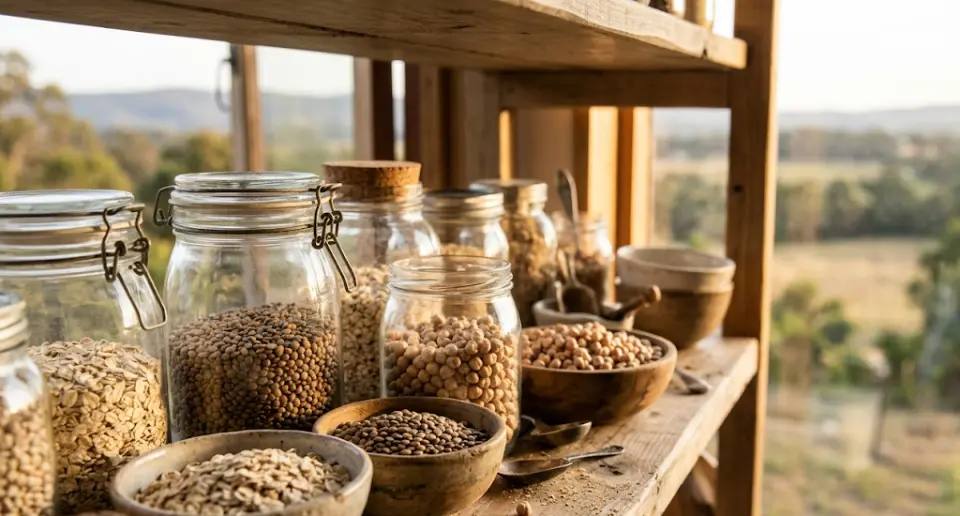
Soluble and insoluble fibre in plain English
You may see fibre described as soluble or insoluble. You do not need to track them separately, but the idea helps explain why variety matters.
- Soluble fibre dissolves in water to form a gel. It is found in oats, barley, beans, lentils, apples and citrus fruit, and it is linked to steadier blood sugar and healthier cholesterol.
- Insoluble fibre adds bulk and helps food pass through the gut. Wholegrains, wheat bran, nuts, seeds and the skins of vegetables and fruit are good sources.
Most plant foods contain both. The NHS advice to eat a variety of fibre sources, instead of relying on one, is the easiest way to get the mix right.
Fibremaxxing the smart way: go slowly
If your current intake is around 20 g, the smartest plan is to add a few grams every few days, not a lot at once. A sudden jump can cause gas, bloating, cramps and either diarrhoea or, ironically, constipation if you do not drink enough. Your gut bacteria need time to adjust to a new menu.
The following principles keep fibremaxxing comfortable:
- Add one change at a time. Swap white bread for wholemeal this week, add beans next week.
- Spread fibre across the day. A large fibre load in a single meal is harder on the gut than steady amounts at breakfast, lunch, dinner and snacks.
- Drink fluids. Fibre absorbs water. Aim for regular water, tea and other drinks through the day, particularly as you increase intake.
- Choose whole foods first. Beans, lentils, oats, fruit, vegetables, nuts and seeds bring other nutrients with them.
- Stay active. Regular movement helps the gut as well. See our simple ayurvedic morning routine for a gentle start.

Easy swaps that add fibre
The NHS offers a list of practical swaps, and they are worth repeating because they are easy and cheap:
- Choose higher-fibre cereals, such as plain wholewheat biscuits, plain shredded wholegrain or porridge.
- Pick wholemeal or granary bread, wholewheat pasta, bulgur wheat or brown rice instead of the white versions.
- Eat potatoes with their skins on.
- Add beans, lentils or chickpeas to stews, curries and salads.
- Include plenty of vegetables and fruit in meals and snacks.
- Eat dried fruit with meals instead of as a snack between meals, since it can contribute to tooth decay.
- Try fruit, vegetable sticks, rye crackers, oatcakes, unsalted nuts and seeds as snacks.
If you cook in the Indian or Mediterranean tradition, you may find that you already have the building blocks: dals, chana, rajma, whole wheat roti, vegetable curries, hummus, bean stews and lentil soups are all high in fibre. Fibremaxxing for many households means simply making these staples the centre of the plate more often.
What to watch for: bloating, gas and fluids
Gas and bloating are the most common complaints when people raise their fibre quickly. They are usually temporary and ease as your gut adapts, but they can be uncomfortable and sometimes embarrassing. Beans and lentils, onions, cabbage and some fruit contain fermentable carbohydrates that bacteria turn into gas, which is partly why they are good for the gut microbiome but not always comfortable in large amounts.
A few things can help. Rinse tinned pulses and soak and cook dried ones well. Start with small portions, such as two tablespoons of beans, and build up. Chew slowly. Drink enough fluids. If symptoms are severe, getting worse or come with weight loss, bleeding, severe pain or a change in bowel habit that lasts, see a doctor instead of pushing on.
Who should be careful with fibremaxxing
For most healthy adults, working up to 30 g is a good aim. But a few groups should take advice first:
- People with irritable bowel syndrome (IBS). Some types of fibre help and others trigger symptoms. A dietitian can guide you.
- People with inflammatory bowel disease, strictures or recent bowel surgery. A high-fibre diet may be unsuitable at certain times.
- People with swallowing problems or a history of bowel obstruction. Large amounts of fibre or bran can be a problem.
- People who take medicines with timing rules. Very high fibre intake can affect how some medicines are absorbed, so ask your pharmacist.
- Children and older adults with small appetites. Too much fibre can crowd out other food they need.
- People with a history of disordered eating. Chasing a nutrition number can become unhealthy. Speak to a professional if tracking feels stressful.
Fibre supplements, powders and gummies are another area to be careful about. Whole foods are the better starting point, and supplements may be useful in specific situations under advice, but they are not a shortcut to the benefits of a varied diet.
Gut health claims: separating fact from hype
Gut health is one of the most heavily marketed topics in wellness. Some claims are fair: fibre feeds beneficial bacteria, and diets rich in plants are linked to better digestive and heart health. Others go too far. Eating a lot of fibre will not detox your body, melt belly fat or cure anxiety. It will not replace medical care for a digestive condition.
Be especially wary of posts that promise rapid weight loss from fibremaxxing. Fibre can help you feel full, which may support a healthy weight over time, but results vary and the evidence does not support dramatic claims.
If you notice a trend you want to try, ask three questions. Is it based on whole foods, or on a product being sold? Does it agree with national guidance? Could it cause harm if I have a health condition? Those questions will save you money and discomfort.

Fibremaxxing on a budget
One quiet advantage of this trend is that the best foods are cheap. Dried lentils, tinned beans, oats, frozen vegetables, bananas, carrots and brown rice cost far less than protein bars or fibre-fortified snacks. A tin of chickpeas can become hummus, a curry or a salad topping. A bag of oats becomes porridge, overnight oats or a base for baking. Buying frozen vegetables means less waste and the same fibre as fresh ones.
Batch cooking helps. Make a large pot of lentil soup or bean chilli on Sunday, portion it out, and you have several high-fibre lunches ready. If you are short on time, tinned pulses need only draining and rinsing. Watch the salt on canned foods, choosing no-added-salt versions where you can.
Eating out and busy days
Most people do not eat perfectly structured meals every day. On busy days, small choices add up: choose a jacket potato with beans instead of chips, ask for wholemeal bread, add a side salad, or pick fruit and nuts instead of a pastry. If breakfast is rushed, keep porridge pots, wholegrain cereal or a banana and a handful of nuts nearby. You do not need to hit exactly 30 g every single day. Think of it as an average across the week, and be kind to yourself on the days that go sideways.
Teenagers, parents and older relatives often have different needs and tastes, so treat fibremaxxing as a household project, not a personal contest. Cook one pot of something wholesome that everyone can adapt with toppings and sides, and you will find it easier to keep going.
A seven-day fibre ramp-up
If you like a plan, this gentle week assumes you are starting from roughly 20 g a day and want to move toward 30 g:
- Day 1: Change your breakfast to porridge or a wholegrain cereal.
- Day 2: Keep the new breakfast and add a piece of fruit with lunch.
- Day 3: Swap white bread or rice for a wholemeal or brown version.
- Day 4: Keep all of that and add two tablespoons of beans or lentils to a meal.
- Day 5: Eat your potatoes with their skins on and add an extra vegetable at dinner.
- Day 6: Swap a snack for nuts, fruit or hummus with vegetable sticks.
- Day 7: Notice how you feel. If comfortable, keep going. If bloated, hold at this level for another week.
The point is steady change that sticks, not a spike. Many people also find that better digestion goes hand in hand with steadier energy, a theme we explore in natural daily energy without caffeine.
Questions people ask
Is fibremaxxing safe?
For most healthy adults, raising fibre gradually with whole foods toward 30 g a day is safe and sensible. Going far above that, or increasing too fast, can cause discomfort. Speak to a doctor if you have a bowel condition or take regular medicines.
How much fibre should I eat a day?
UK guidance, repeated by the NHS, suggests 30 g a day for adults. Most adults average around 20 g. Children need less, depending on age.
Can I get enough fibre without supplements?
Yes, for most people. Wholegrains, beans, lentils, fruit, vegetables, nuts and seeds are enough if you eat them regularly, as the sample day above shows.
Why do I feel bloated when I eat more fibre?
Gut bacteria ferment some fibres and produce gas. Increase slowly, drink enough fluid and give your body a couple of weeks to adjust. Persistent or severe symptoms need medical advice.
Does fibre help with weight loss?
Fibre-rich foods are filling and can support a healthy eating pattern, but there is no guarantee of weight loss. Overall diet, activity and sleep matter more.
What are the best high-fibre foods?
Pulses such as lentils, beans and chickpeas, oats and wholegrains, vegetables, fruit with the skin on, nuts and seeds. Look for foods with 6 g or more of fibre per 100 g on the label.
Related reading on MyHealthLogy
- Vitamin D in winter: do you need a supplement?
- Turmeric benefits and safety
- Magnesium glycinate for sleep and stress
Further reading
- NHS: How to get more fibre into your diet
- NHS: The Eatwell Guide
- NHS: Physical activity guidelines for adults aged 19 to 64
This article is for general education and is not medical advice. If symptoms persist or worry you, please speak with a qualified healthcare professional. Images on this page were created with AI.