
High blood pressure rarely gives warning. You can feel perfectly well and still have numbers that are slowly harming your heart, brain and kidneys. That is why so many people search for ways to lower blood pressure naturally. The honest answer is that lifestyle changes really help, and that many people also need medicine.
This guide explains what the numbers mean, what the NHS and WHO advise, how to cut salt without losing flavour, and what Ayurveda and the Gita can offer in the way of calm and balance. We keep tradition and science separate, and we never ask you to stop your medicine.
The short version: To lower blood pressure naturally, the NHS and WHO advise less salt, a diet rich in fruit and vegetables, at least 150 minutes of activity a week, a healthy weight, no smoking and limited alcohol, plus stress care. A reading of 140/90 or more at a clinic (135/85 at home) is considered high. Many people also need medicine, so see a doctor and never stop tablets on your own.
▶ Watch the Web Story: Lower Blood Pressure Naturally
Table of Contents
What Is High Blood Pressure (Hypertension)?
Blood pressure is the force of blood pushing against the walls of your arteries. It is written as two numbers, such as 120/80. The first is the pressure when the heart beats, and the second is the pressure when it rests between beats.
When pressure stays too high, the heart works harder and the arteries become damaged. Over time this raises the risk of heart attack, stroke, heart failure, kidney disease and vascular dementia, as the NHS explains on its high blood pressure page.
Why it is called a silent condition
The NHS says that high blood pressure usually does not cause symptoms. Rarely, people have headaches, blurred vision or chest pain. This is why about 44 percent of adults with hypertension worldwide do not know they have it, according to the WHO hypertension fact sheet. The only way to know is to measure.
Blood Pressure Numbers: Normal vs High Readings
The NHS gives these guide numbers for high blood pressure:
- 140/90 or higher when checked by a healthcare professional
- 135/85 or higher when checked at home
A single high reading does not always mean you have hypertension. The NHS says that a doctor may ask you to monitor at home for a few days, return for repeat checks, or wear a 24-hour monitor. The WHO says the goal is usually below 140/90, and below 130/80 for people with diabetes, kidney disease or cardiovascular disease.
Who is at higher risk
The NHS lists these risk factors:
- older age
- close relatives with high blood pressure
- a diet high in salt
- being overweight
- smoking
- drinking too much alcohol
- long-term stress
- Black African, Black Caribbean or South Asian background
Why South Asian families should check early
The NHS names South Asian background as a higher-risk group. If hypertension, diabetes or heart disease runs in your family, do not wait for symptoms. People aged 40 or over who have not had a blood pressure check in the last five years should book one, according to the NHS. Many pharmacies offer free checks to people over 40.
If you also have diabetes, read our guide to the type 2 diabetes diet, because the two conditions often go together.
How to Lower Blood Pressure Naturally: Lifestyle Changes That Help
The NHS and WHO agree on the main steps. They form the foundation of treatment, even if you also take medicine:
- Eat less salt. The WHO advises keeping salt below about 5 grams a day (around a teaspoon).
- Eat more fruit and vegetables and limit saturated and trans fats.
- Be active. Aim for at least 150 minutes of moderate activity a week.
- Keep a healthy weight. Losing weight, if you are overweight, can lower blood pressure.
- Do not smoke or use tobacco.
- Limit alcohol. The NHS advises not regularly drinking more than 14 units a week.
- Limit high-caffeine drinks such as strong coffee, tea and cola.
- Manage stress and keep up with checks.
Even a small drop in blood pressure lowers the risk of heart attack and stroke, says the NHS. So small changes are worth making.
Low-Salt Diet for High Blood Pressure: Less Salt, More Flavour
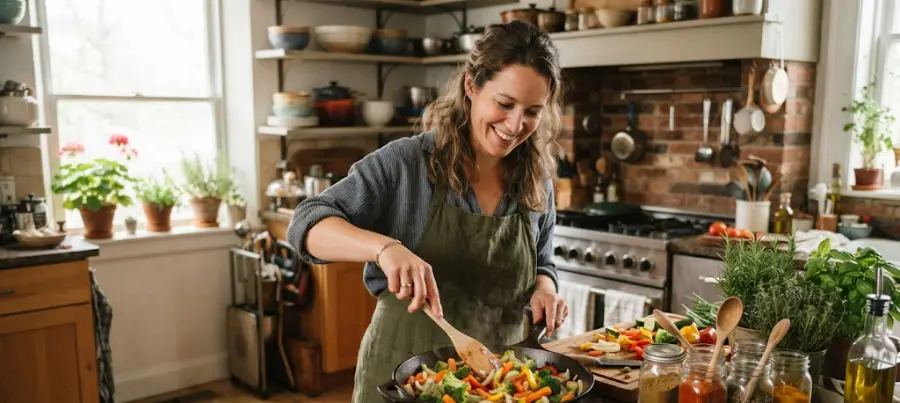
Indian food can be heavy in salt, especially pickles, papad, namkeen, chutney, ready masalas and instant noodles. Here is how to keep the taste while using less:
- Use lemon juice, tamarind, amchur or fresh coriander to lift flavour.
- Roast cumin, coriander and fennel and grind them fresh.
- Add ginger, garlic, green chilli and black pepper for punch.
- Taste before you add salt at the table. Take the salt shaker off the table.
- Rinse canned beans and vegetables.
- Eat pickles, papad and salted snacks only occasionally.
- Check labels for sodium. Ready meals and sauces are often very salty.
Taste buds adjust in a few weeks. Many people find that after a month they enjoy less salty food and find the old taste too strong.
Best Foods to Lower Blood Pressure: An Indian Plate
- Breakfast: oats or vegetable poha with fruit and nuts, without extra salt
- Lunch: dal, two vegetable dishes, a wholegrain roti or brown rice, curd and salad
- Snack: a banana, an apple or roasted chana, with unsweetened tea
- Dinner: vegetable khichdi or a light soup, eaten early
Fruit and vegetables bring potassium and fibre, which help the body in many ways. Our guides to the sattvic diet and fibremaxxing give more ideas. If you have kidney disease, ask your doctor before you increase high-potassium foods.
Exercise to Lower Blood Pressure
The WHO suggests at least 150 minutes of moderate aerobic activity a week, such as brisk walking, cycling or swimming, plus strength exercises on two or more days. Sitting less also helps.
- Walk briskly for 30 minutes on most days, or 10 minutes after each meal.
- Use stairs, and stand and stretch every hour.
- Try gentle yoga. See our guide to Surya Namaskar, and ask your doctor first if your blood pressure is very high.
- Avoid heavy straining or holding your breath while lifting, unless your doctor says it is fine.
Stress, sleep and the mind
Long-term stress is listed by the NHS as a risk factor, and stress can raise blood pressure for a short time. Good sleep, calm breathing and time to rest do not replace medicine, but they support your health. Try a regular bedtime, switch off screens early, and take a few minutes for slow breathing.
Our guides to alternate nostril breathing, yoga nidra, Vedic chanting and stress and natural stress relief give simple methods.
What the Gita says about steadiness
The Bhagavad Gita, a text of the Sanatan tradition, describes yoga as evenness of mind:
योगस्थः कुरु कर्माणि सङ्गं त्यक्त्वा धनञ्जय । सिद्ध्यसिद्ध्योः समो भूत्वा समत्वं योग उच्यते ॥
yogasthaḥ kuru karmāṇi saṅgaṃ tyaktvā dhanañjaya | siddhy-asiddhyoḥ samo bhūtvā samatvaṃ yoga ucyate ||
Bhagavad Gita 2.48
Meaning: Established in yoga, do your work, giving up attachment, staying even-minded in success and failure. This evenness of mind is called yoga.
This is spiritual wisdom about equanimity. It does not lower blood pressure by itself, and it is not a treatment. But learning not to be thrown off by every success or setback is a lovely description of a calm mind, and calm is useful for health.
Ayurvedic Herbs for High Blood Pressure: A Careful View
Many people ask about garlic, arjuna, sarpagandha, tulsi and other herbs for blood pressure. It is important to be honest. The NCCIH notes that for Ayurveda in general there are few well-designed studies, and that some products have been found to contain lead, mercury or arsenic. See our guide to Ayurveda and the Atharvaveda.
- Some herbs can interact with blood pressure medicines or lower pressure too much.
- Some products are not tested for contaminants.
- No herb has been proven to replace blood pressure medicine.
- Licorice (mulethi) in large amounts can raise blood pressure.
If you want to use a herb, tell your doctor or pharmacist first. And please never stop your tablets because of a remedy.
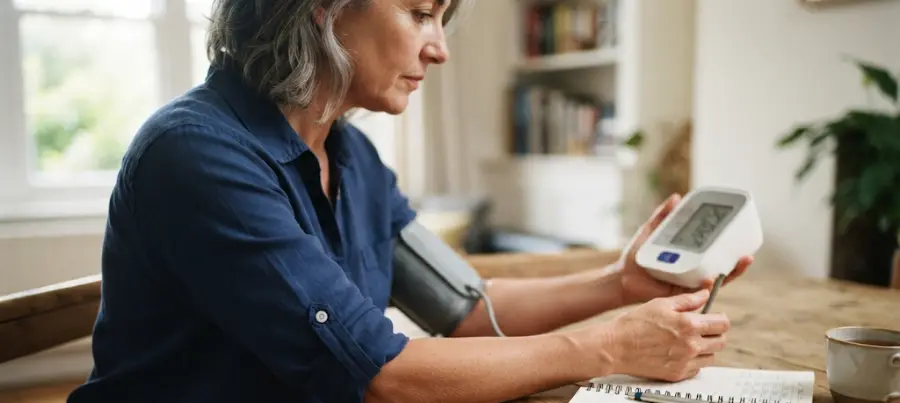
Home monitoring tips
- Use a validated upper-arm monitor, with the right cuff size.
- Sit quietly for 5 minutes, back supported, feet flat, arm at heart level.
- Avoid coffee, smoking or exercise for 30 minutes before.
- Take two readings a minute apart, morning and evening, for a few days, and write them down.
- Bring the log to your doctor.
When to get urgent help
The NHS advises calling 999 for sudden chest pain that does not go away, pain spreading to the arm, neck, jaw, stomach or back, or chest pain with sweating, sickness, light-headedness or breathlessness. Do not drive yourself to hospital. Contact NHS 111 or your doctor if you often have headaches or blurred vision, or have chest pain that comes and goes. If you live outside the UK, call your local emergency number.
Common myths
- Myth: you will feel it when your pressure is high. Usually you will not.
- Myth: natural means safe. Some herbs and supplements can be harmful.
- Myth: once pressure is normal, I can stop tablets. Never stop without medical advice.
- Myth: only older people get it. It can affect younger adults too.
- Myth: salt only matters if I add it at the table. Most salt comes from processed and pickled foods.
How to lower blood pressure naturally: a 30-day plan
If you want to lower blood pressure naturally, a month-long plan makes it manageable. This plan is for adults who have already had their blood pressure checked, and it does not change any medicine.
- Week 1, salt: stop adding salt at the table, and replace pickles and papad with fresh salad on most days.
- Week 2, food: add a fruit and a vegetable to every meal, and swap refined snacks for nuts or roasted chana.
- Week 3, movement: walk briskly for 30 minutes on five days, or three sessions of 10 minutes a day.
- Week 4, calm: add five minutes of slow breathing and a fixed bedtime.
At the end of the month, take your home readings to your doctor. Even if the numbers have not changed much, you will have built habits that protect your heart.
Hidden salt in everyday Indian foods
It is easy to forget that salt hides in many foods that do not taste very salty. Be aware of:
- bread, biscuits and packaged breakfast cereals
- instant noodles, soup cubes and ready masala mixes
- pickles, chutneys, papad and namkeen
- cheese, paneer from some brands, and processed meats
- restaurant and takeaway curries
Reading labels is the quickest way to see how much sodium a product has. When you cook at home, you decide how much goes in, which is why home-cooked food is such a powerful way to lower blood pressure naturally.
Weight and waist: why they matter
Extra weight, especially around the waist, makes the heart work harder. The NHS advises losing weight if you are overweight, and even a modest loss can help your blood pressure. A realistic goal is slow, steady loss, such as half to one kilogram a week at most, and a doctor or dietitian can guide you.
Avoid crash diets, fasting plans or “detox” teas. They can upset your minerals and fluids, and they are not safe with blood pressure medicines. Eating regular meals, reducing portions slightly, and moving more is a safer path, and it fits the old teaching of moderation that we met in the Gita.
Alcohol, smoking and caffeine
The NHS says not to regularly drink more than 14 units of alcohol a week, and to spread any drinking over several days. Smoking and tobacco in any form damage the arteries and raise heart risk, so quitting is one of the best things you can do. Your doctor or pharmacist can help with stop-smoking support.
Strong coffee, tea and cola can raise blood pressure for a short time, especially if you are sensitive. If you notice a racing heart or high readings after caffeine, cut back gradually.
Supporting a family member with high blood pressure
If someone in your family has high blood pressure, you can help in practical ways. Cook with less salt for everyone, which is easier than cooking two meals. Walk together after dinner. Remind them gently about tablets and appointments. Learn the emergency warning signs so you can act fast.
Above all, be patient. Changing habits is hard, and encouragement works better than nagging. When the whole family improves its habits together, everyone gains, and the knowledge that you are all in this together can itself lower stress.
Talking to your doctor about medicine
Many people feel worried when a doctor suggests blood pressure tablets. It helps to know that most medicines are taken once a day, that doctors choose them carefully, and that the NHS describes them as an important way to cut the risk of heart attack and stroke. Medicine and lifestyle work together, they are not rivals.
If you have side effects, such as a dry cough, swollen ankles or dizziness, tell your doctor. There are several kinds of medicine, and a different one may suit you better. Do not stop on your own. Ask about the best time to take your tablets, what to do if you miss a dose, and how often your pressure should be checked.
If you use any herbs, supplements or Ayurvedic products, bring them or a list to the appointment. Some can change how your medicine works. Honest sharing helps your doctor look after you safely, and lets you enjoy the best of both tradition and science.
A calm daily routine for steady blood pressure
A steady day is kind to your heart. Here is a simple rhythm that draws on both modern advice and Ayurvedic ideas of regularity:
- Wake at about the same time each day, and drink a glass of water.
- Take your medicine as prescribed, and measure your blood pressure if advised.
- Eat a balanced breakfast, with less salt.
- Walk or stretch for 20 to 30 minutes.
- Eat your main meal at midday and a lighter dinner early.
- Take a short walk after dinner, switch off screens early and go to bed on time.
Regularity in food, movement and sleep is the heart of both the Ayurvedic approach to daily living and today’s heart health advice. See our Ayurvedic morning routine for a gentle start to the day.
High Blood Pressure FAQs
How can I lower blood pressure quickly?
Lifestyle changes work over weeks and months, not hours. If your reading is very high or you have symptoms, contact a doctor or emergency services.
What is a normal blood pressure?
Doctors treat 140/90 or higher at a clinic (135/85 at home) as high. Your doctor will tell you what is right for you.
How much salt is okay?
The WHO advises less than about 5 grams of salt a day, around a teaspoon, including salt in processed foods.
Does yoga help high blood pressure?
Gentle yoga and breathing may help with stress and activity, but they do not replace treatment.
Can I stop my medicine if my readings are good?
No. Normal readings are often because of the medicine. Talk to your doctor before any change.
Further reading
- NHS: High blood pressure (hypertension)
- WHO: Hypertension fact sheet
- Our guide to the type 2 diabetes diet
This article is for general education and cultural information, not medical advice. If symptoms persist or worry you, please speak with a qualified healthcare professional. Images on this page were created with AI.