

If you are wondering what social anxiety is, here is the short answer: it is an intense, lasting fear of being judged, embarrassed or watched in everyday social situations. It goes beyond shyness. It can make ordinary moments, such as a meeting, a phone call or a meal with others, feel very hard. It is common, it is recognised by health bodies, and support exists.
This guide explains the signs, the possible causes, how it differs from shyness, and the calm ways that public health sources say people cope. It also looks at one verse from the Bhagavad Gita about steadiness of mind. It is written for general education. It is not medical advice, and it cannot diagnose you or anyone else.
The short version
- Social anxiety, also called social anxiety disorder or social phobia, is a strong fear of being judged or embarrassed in social situations.
- Common signs include blushing, sweating, trembling, a racing heart, avoiding people, and replaying conversations afterwards.
- It usually starts in the teenage years. Researchers think it comes from a mix of biology and life experience, and the exact cause is not known.
- The NHS lists simple self-help ideas, such as breathing exercises and breaking a hard situation into small steps. These are general ideas, not treatment.
- If it affects school, work or relationships, speak with a doctor or a qualified mental health professional.
Table of Contents
What social anxiety really is
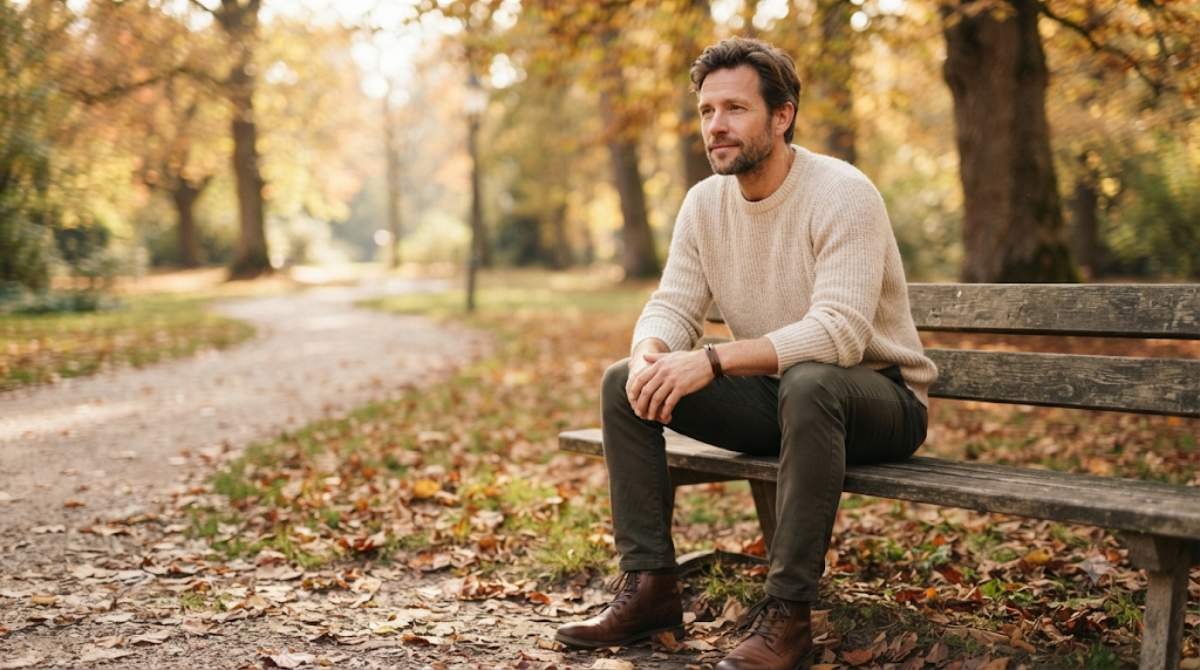
Social anxiety is a fear that other people will judge you badly. The fear can show up before an event, during it, and for hours or days afterwards. It is stronger than ordinary nerves, and it can feel hard to control.
The National Institute of Mental Health (NIMH) describes social anxiety disorder as a common anxiety disorder. It is marked by intense fear of being judged, evaluated or scrutinised in settings such as public speaking, dating, job interviews or even talking to a cashier.
The NHS describes it as a long-term and overwhelming fear of social situations. It says the condition usually starts in the teenage years and can have a major effect on daily life, relationships, work and school.
Everyone feels self-conscious at times. Social anxiety is different because the fear is out of proportion and it leads people to avoid situations they would otherwise want to join. Only a qualified professional can tell whether what you feel is social anxiety or something else.
Social anxiety signs and symptoms
Mayo Clinic groups the signs into emotional and behavioural, and physical. You do not need to have all of them. They can also look different in children, who may cry, cling or refuse to speak.
Emotional and behavioural signs include fear of being judged, worry about embarrassing yourself, an intense fear of talking with strangers, and avoiding attention or social situations. Many people also go over a conversation afterwards and expect the worst.
Physical signs include blushing, a rapid heartbeat, trembling, sweating, nausea, trouble breathing, dizziness and muscle tension. NIMH adds that people may struggle with eye contact and that symptoms often get worse during stressful periods.
These signs overlap with other conditions, including panic and general anxiety. The NHS notes that many people with social anxiety also have depression, generalised anxiety or panic disorder. That is one reason a professional assessment matters.
| Area | Examples people describe | Where it may show up |
|---|---|---|
| Thoughts | Expecting to be judged, replaying a conversation | Before and after events |
| Feelings | Dread, embarrassment, feeling watched | Meetings, parties, phone calls |
| Body | Blushing, sweating, a pounding heart, shaking | Speaking, meeting new people |
| Behaviour | Avoiding eye contact, skipping events, staying silent | Work, school, social plans |
This table is a general summary of what the sources describe. It is not a checklist for diagnosis.
Is it shyness or social anxiety?
Shyness is a personality trait. A shy person may feel quiet or cautious in new settings, but usually settles in and carries on with life. Social anxiety is more intense and more disruptive.
The NHS says social anxiety is more than shyness. The difference lies in how much the fear affects daily life. When it leads you to avoid school, work or relationships, it has moved beyond simple shyness.
Mayo Clinic lists a shy or withdrawn temperament as one risk factor for developing social anxiety. So the two can be linked, but they are not the same thing.
It is also different from introversion. An introvert may prefer quiet time and still feel at ease with people. Someone with social anxiety may badly want company and still feel held back by fear.
If you are unsure where you fit, that is a good question for a doctor or a mental health professional. A label is less important than getting the right support.
What may cause social anxiety
No one knows the exact cause. NIMH says the disorder may run in families and that genetics seem to influence the brain areas involved in fear and anxiety. Researchers are also studying stress and environmental factors.
Mayo Clinic says the condition likely comes from a mix of biological and environmental factors. It lists inherited traits, an overactive amygdala (a brain area linked to fear), and learned responses to embarrassing experiences. It uses cautious words such as “likely” and “may” throughout.
Risk factors named by Mayo Clinic include family history, teasing or bullying, a shy or withdrawn temperament, new social or work demands, and a visible condition that draws attention.
None of this means a person is to blame. Social anxiety is not a character flaw or a sign of weakness. It is a pattern of fear that many people share, and it can be understood and supported.
How social anxiety can affect daily life
Social anxiety can reach into many areas. At school, a person may avoid asking questions or speaking in class. At work, they may dread meetings, presentations or small talk with colleagues.
In relationships, the fear can make it hard to meet new people or to keep in touch. Some people turn down invitations again and again, then feel lonely afterwards. That loneliness can feed the anxiety.
Mayo Clinic notes that untreated social anxiety can lead to low self-esteem, isolation, lower school or work achievement, and in some people depression. This is why early support matters.
The NHS also points out that social anxiety can bring occasional panic attacks. If you want to know more about panic, see our guide on what to do during a panic attack.

Calm ways people cope, as public sources describe them
This section describes general ideas from public health sources. It is not treatment and not medical advice. It does not replace professional support.
The NHS lists a few self-help ideas. These include keeping a diary to understand your anxiety, practising relaxation techniques such as breathing exercises, breaking challenging situations into smaller steps, and focusing on what others are saying rather than assuming the worst.
Here is how those ideas look in plain terms.
- Notice and write down what triggers the fear, and how strong it feels.
- Slow your breathing when you feel tense, with a longer out-breath.
- Break a hard situation into small parts, such as arriving, saying hello, then staying for ten minutes.
- Turn your attention outwards and listen to the person speaking.
- Notice that the feared outcome often does not happen the way you expected.
Small steps matter. The NHS suggests breaking things down so that each part feels more manageable. Progress may be uneven, and a hard day does not undo earlier steps.
NIMH adds that healthy habits such as sleep, exercise and a balanced diet can support well-being, and that support groups can help some people. These are general points and not a plan.
Supporting someone who lives with social anxiety
Many readers come to this topic because someone close to them struggles. The most useful starting point is simple understanding. The fear is real to the person, even when it looks small from the outside.
It helps to avoid pushing someone into situations that feel overwhelming. Teasing, hurried reassurance or labels such as “just shy” can leave a person feeling misunderstood. Listening without judgment is often more welcome than advice.
Small, low-pressure invitations can keep a connection alive. A short walk, a quiet coffee or a one-to-one chat may feel easier than a crowded event. The person can decide what feels manageable, and a refusal is not a rejection.
It is also fair to mention that professional support exists. The NHS says a person can speak with a GP and can refer themselves to NHS talking therapies. NIMH says a primary care provider can refer someone to a mental health professional. Offering to help find that information can be a kind gesture.
Supporters need care too. If you feel worn down, you can speak with a doctor or a counsellor of your own. Looking after yourself is part of being a steady presence for someone else.
When and how to seek professional help
Please speak with a professional if social anxiety affects school, work or relationships. NIMH says to seek help when anxiety interferes with these areas, and that a primary care provider can refer you to a mental health professional.
Mayo Clinic gives a similar message. It suggests seeking help if you avoid normal social situations because they cause embarrassment, worry or panic.
In the UK, the NHS says you can see a GP, and you can also refer yourself directly to NHS talking therapies. In the United States, a primary care provider can help you find a mental health professional.
NIMH describes several kinds of professional support, including talking therapies and, in some cases, medicines prescribed by a doctor. Finding the right plan can take trial and error. This guide does not recommend any treatment, because that decision belongs to you and a qualified professional.
If you ever feel unsafe or think about harming yourself, contact local emergency services or a crisis line in your country straight away. In the United States, NIMH lists 988 by call or text.
Key takeaways
- Social anxiety is a strong, lasting fear of judgment. It is more than shyness.
- The causes are not fully known. A mix of biology and experience is likely.
- General coping ideas exist, but they are not a replacement for professional support.
- Seeking help early can matter, and it is a sign of care for yourself.
How Ayurveda describes balance and recovery
Ayurveda does not use the term social anxiety, but the tradition speaks often about a steady mind. This section describes what the old texts say. It is not advice, and it does not recommend any practice, herb or treatment.
The Bhagavad Gita, chapter 2, verse 56, describes a person whose mind stays undisturbed in difficulty, is not carried away by pleasure, and is free from attachment, fear and anger. The text calls such a person a sage of steady mind (sthita-dhir muni).
From the texts
duḥkheṣv anudvigna-manāḥ sukheṣu vigata-spṛhaḥ | vīta-rāga-bhaya-krodhaḥ sthita-dhīr munir ucyate
Source: Bhagavad Gita 2.56
In plain words: A person whose mind stays steady in difficulty, and who is free from attachment, fear and anger, is called a sage of steady mind.
The Ayurvedic texts also place the mind inside the idea of health. The Sushruta Samhita, in Sutrasthana chapter 15, describes the criteria of ideal health. It lists a mind, senses and spirit in good spirits, known as prasannatmendriyamanah, alongside the balance of the body.
Taken together, these passages show how the tradition values a settled mind and treats fear as something to be understood. They are historical teachings. They are not clinical guidance, and the Vedas and Ayurvedic texts are not a medical manual. If you have questions about your health, please speak with a qualified Ayurvedic practitioner and a doctor.
In the tradition’s words
- Gita 2.56 describes a steady-minded person as free from attachment, fear and anger.
- The Sushruta Samhita counts a mind, senses and spirit in good spirits as part of health.
- The tradition places a settled mind at the centre of well-being.
- These are teachings of the tradition, not recommendations.
Sources: Vedabase, Bhagavad Gita 2.56 and Wisdom Library, Sushruta Samhita.
What this guide is not
This guide is not medical advice, and it cannot diagnose social anxiety. Only a qualified professional can do that after listening to your experience and, where needed, ruling out other causes.
It is also not a treatment plan. The coping ideas above come from public health pages and are general. They do not promise relief, and they do not replace professional care.
It does not claim that tradition, diet, herbs or any home practice can treat social anxiety. If your fear is affecting your life, please speak with a doctor or a qualified mental health professional.
Questions people ask
What is social anxiety?
Social anxiety is an intense, lasting fear of being judged, embarrassed or watched in social situations. It is more than shyness and can affect school, work and relationships. The NHS and NIMH both describe it as common. A professional can tell you whether it fits your experience.
What are the signs of social anxiety?
Common signs include fear of being judged, avoiding social situations, replaying conversations, blushing, sweating, trembling and a racing heart. Signs vary from person to person and can look different in children. Many of them overlap with other conditions, so a professional assessment is useful.
Is social anxiety the same as shyness?
No. Shyness is a personality trait and usually does not stop daily life. Social anxiety is a stronger fear that leads people to avoid situations they want to join. The NHS notes it is more than shyness, and the key difference is the effect on daily life.
What causes social anxiety?
The exact cause is not known. Mayo Clinic says it likely comes from a mix of biological and environmental factors, such as inherited traits and learned responses to embarrassing experiences. NIMH says it may run in families. It is not a personal failing.
Does social anxiety go away on its own?
It can vary, and sources do not promise that it fades alone. Mayo Clinic notes that untreated social anxiety can lead to isolation and low self-esteem. If it affects your life, speak with a doctor or mental health professional rather than waiting.
When should I see a doctor about social anxiety?
See a doctor if you avoid normal social situations because of embarrassment, worry or panic, or if the fear affects school, work or relationships. In the UK you can also refer yourself to NHS talking therapies. If you feel unsafe, contact emergency services or a crisis line.
Further reading
Trusted sources
- NIMH: Social anxiety disorder, more than just shyness
- Mayo Clinic: Social anxiety disorder, symptoms and causes
- NHS: Social anxiety
- Vedabase: Bhagavad Gita 2.56
- Wisdom Library: Sushruta Samhita
More from MyHealthLogy
- Panic Attack: What to Do
- Mindfulness for Beginners
- Box Breathing Guide
- Burnout Symptoms, Causes and Recovery
Last reviewed: 15 November 2026.
This content is for general education. It is not medical advice. If symptoms persist or worry you, please speak with a qualified professional.