
Walk through any pharmacy or Indian grocery store and you will find psyllium husk in one form or another: a tub of fibre powder, a sachet of isabgol, a box of capsules or a “husk” ingredient in gluten-free baking. It has been used for generations in India for bowel regularity and is now recognised by medical guidelines in the West, too.
Psyllium husk is one of the best-studied fibre supplements, but it works only with plenty of water and a gradual start. This guide explains what psyllium is, what the research shows, how to take it without discomfort and who should avoid it. If you searched for psyllium husk benefits, you will find a balanced, sourced overview with practical steps.
The short version: Psyllium husk, also called isabgol, is a soluble fibre that absorbs water and forms a gel. It is a guideline-supported first choice fibre supplement for constipation, and studies show modest reductions in LDL cholesterol and some benefit for blood sugar. Start with a small amount, mix it with a full glass of water and drink more fluid through the day. Take medicines at a different time, and avoid it if you have swallowing problems or a bowel blockage.
In this guide
- What psyllium husk is
- Psyllium husk benefits for constipation
- Psyllium and cholesterol
- Blood sugar, appetite and other claims
- How to take psyllium safely
- Side effects and who should avoid it
- Psyllium husk in food and cooking
- Psyllium and the traditional Indian view of the bowel
- Common mistakes
- Psyllium husk questions answered
- A note on sources and limits
- Choosing a psyllium product
- How psyllium compares with other fibre supplements
- Psyllium in irritable bowel syndrome and diarrhoea
- Simple ways to use psyllium day to day
- Psyllium during pregnancy, older age and long-term use
What psyllium husk is
Psyllium is the outer coating of the seeds of Plantago ovata, a plant grown mainly in India. In India it is known as isabgol or ispaghula. Unlike a fibre such as wheat bran, psyllium is mostly soluble and gel-forming. When mixed with water it swells into a thick, viscous mass that softens stool and adds bulk, while moving through the gut without being digested.
Because it is gel-forming, psyllium behaves differently from fermentable fibres such as inulin, which gut bacteria break down quickly and which often cause gas. This is part of why psyllium is often better tolerated, though people with sensitive guts can still feel bloated at first.
Psyllium husk benefits for constipation
Fibre supplements are the most commonly used treatment for constipation and are recommended as first-line management by American, European and global guidelines. According to NutritionFacts.org, which summarises the research, psyllium appears to be the most suitable first choice, working by trapping water in the intestine so that stool is softer and bulkier and easier to pass.
The effect is real but modest. In a meta-analysis cited on that page, 77% of people with constipation responded to fibre compared with 44% on placebo. Fibre supplements significantly improved stool frequency and softened stools. The same source notes that about half of fibre users still said their constipation was not completely relieved, which is a useful reminder that psyllium is not a cure-all and that persistent constipation needs medical review.
Psyllium and cholesterol
Psyllium has some of the strongest evidence for lowering cholesterol among fibre supplements. Soluble fibre binds bile acids in the gut, so the liver uses cholesterol to make more, which lowers LDL, the so-called bad cholesterol. A summary of 28 randomised trials cited by NutritionFacts.org found that about 10 g a day for around eight weeks lowered LDL cholesterol modestly.
In the United States, the FDA allows a health claim that eating at least 7 g of soluble fibre a day from psyllium seed husk, as part of a diet low in saturated fat and cholesterol, may reduce the risk of heart disease. This does not replace statins or other treatment, but it can support them. See our high cholesterol diet guide for broader advice.
Blood sugar, appetite and other claims
Because gel-forming fibre slows the absorption of carbohydrate, psyllium has been studied in type 2 diabetes. A meta-analysis cited by NutritionFacts.org reports benefit with about 9 g a day for 12 weeks, with improvements in fasting glucose and long-term markers. If you take diabetes medicines, discuss psyllium with your doctor, because glucose may fall and medicine adjustments may be needed, and take medicines separately from the fibre.
Claims about weight loss are less convincing. Psyllium may help you feel full, and some studies show small effects on appetite, but there is no magic. Reports that it can treat reflux, such as the trial against omeprazole mentioned on that page, are preliminary. Do not stop prescribed medicines for gastro-oesophageal reflux disease on the strength of a small study. Psyllium is also used in irritable bowel syndrome, where fibre can help constipation-predominant symptoms, but can worsen bloating in others.

How to take psyllium safely
Doses differ by product and by purpose, so read the label and follow your doctor’s or pharmacist’s advice. As a rule, the safe approach is slow and watery.
- Start low: begin with about one teaspoon (roughly 3 to 5 g) once a day, and build up over one to two weeks.
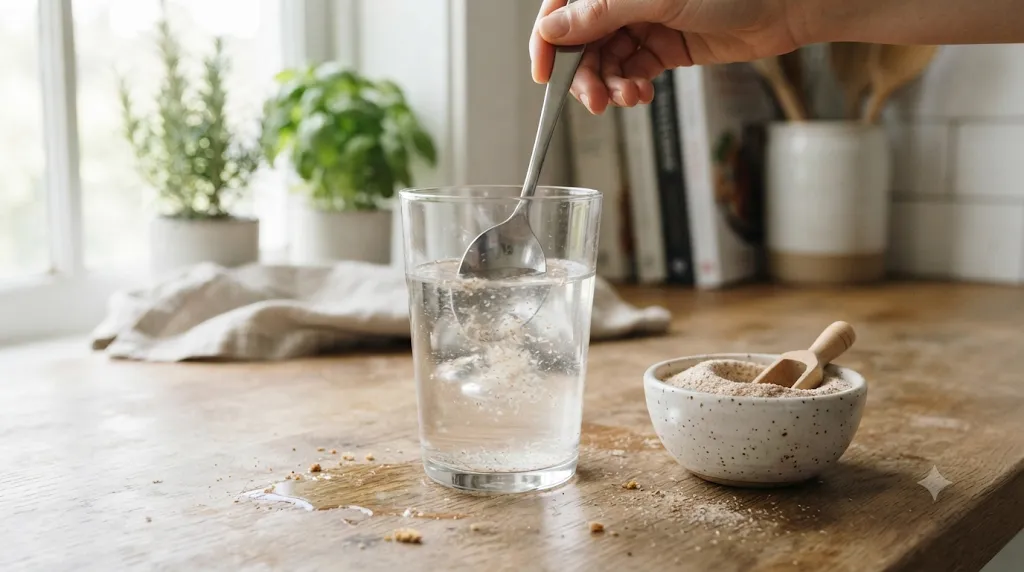
- Mix with a full glass of water (240 ml or 8 oz): stir quickly and drink immediately before it thickens, then drink another glass of water.
- Stay hydrated all day: without enough fluid psyllium can cause blockage, which NutritionFacts.org warns can lead to intestinal obstruction.
- Time it well: many people take it before a meal or at bedtime. Pick a time you will remember.
- Separate medicines: take other medicines at least one to two hours before or after, because fibre can reduce absorption of some drugs.
- Be patient: results take a few days for stool, and weeks for cholesterol.
Never swallow the dry powder, and avoid taking it just before lying down without enough water. Check the label for added sugars, sweeteners and flavourings, which may upset digestion.
Side effects and who should avoid it
Most people tolerate psyllium well. Common side effects are gas, bloating, cramping and fullness, particularly when starting. Slowing down, reducing the dose and drinking more water usually helps.
Allergic reactions can occur, especially in people who handle psyllium at work, and symptoms include hives, wheezing and swelling. Stop and seek help if these happen.
- Difficulty swallowing, oesophageal narrowing or a history of choking: avoid unless a specialist advises.
- Suspected bowel obstruction, severe abdominal pain, nausea or vomiting: do not use, and seek urgent care.
- Undiagnosed bowel changes, rectal bleeding or unexplained weight loss: see a doctor first.
- Medicines with a narrow margin: such as lithium, carbamazepine, levothyroxine and some diabetes drugs, so speak to a pharmacist.
- Pregnancy and children: ask a clinician about the right amount and product.
Psyllium husk in food and cooking
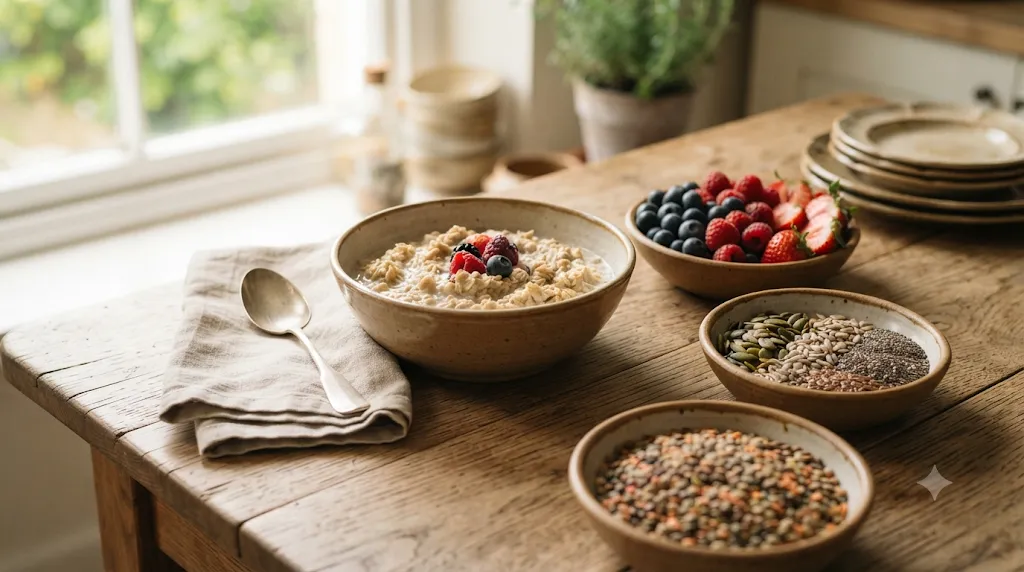
Psyllium is also used in baking, especially in gluten-free breads, where it provides elasticity. A small amount mixed into smoothies, oats or yoghurt is another way to take it, though the mixture thickens quickly. Add plenty of liquid and eat or drink promptly. Whole food fibre from vegetables, fruit, whole grains and pulses should remain your main source, as discussed in our fibremaxxing guide. Supplements fill a gap but do not replace diverse plant foods.
General health guidelines recommend about 30 g of fibre a day for adults in the UK and around 25 to 38 g in the US, depending on age and sex, yet many people get far less. Increase your fibre in steps, drink more fluid, and track how your digestion responds. If constipation continues despite more fibre, fluid and activity, speak to a clinician about other causes such as an underactive thyroid, medicines and pelvic floor problems.
Psyllium and the traditional Indian view of the bowel
Regular bowel movements have been valued in Indian medicine for thousands of years. The Charaka Samhita devotes a chapter to the topic of not suppressing natural urges (Navegandharaniya, Sutrasthana 7), including the urge to pass stool, and warns that holding back such urges can lead to a range of ailments. The Ashtanga Hridaya has a similar chapter, Roganutpadaniya, on preventing disease by honouring natural urges. The tradition also uses the idea of anulomana, which describes the downward, orderly movement of the body’s wastes.
Isabgol, ispaghula in the old literature that survives in later Ayurvedic and Unani practice, is a long-standing household remedy, often taken in warm milk or water at night. Triphala is another traditional bowel-regulating blend, covered in our triphala benefits guide. The Bhagavad Gita (6.17) calls for moderation in food, activity and sleep, an attitude that fits a gentle approach to digestion: regular meals, enough water, movement and no straining.
These teachings come from a spiritual and medical tradition and are not clinical evidence. They sit comfortably beside the modern advice, which is to eat enough fibre, drink water, move daily and respond to your body’s signals, but they do not replace a medical review if symptoms persist. Our guide to Ayurvedic tips for better digestion gives a daily routine that supports this.
Common mistakes
- Taking psyllium with too little water.
- Starting at a full dose and giving up when bloated.
- Taking it at the same time as medicines.
- Using it for constipation without checking for other causes, such as medicines or thyroid problems.
- Relying on powder instead of vegetables, fruit, beans and whole grains.
- Ignoring red flags such as blood in the stool, weight loss or a sudden change in bowel habits.
Psyllium husk questions answered
How long does psyllium take to work?
For stool, often 12 to 72 hours. For cholesterol and blood sugar, several weeks.
Can I take it every day?
Many people do, as a fibre supplement, and long-term use is generally considered safe for most adults, but ask your doctor if you are on medicines.
Is isabgol the same as psyllium?
Yes. Isabgol is the Hindi name for psyllium husk from Plantago ovata.
Will it make me lose weight?
It may help you feel full, but the effect on weight is small. Diet and activity matter more.
Can children take it?
Only with advice from a paediatrician.
A note on sources and limits
This guide uses published research summaries, FDA information and NHS advice. Product strengths and rules differ by country, so check labels and talk to a pharmacist or doctor, especially if you take medicines or have a long-term condition.

Choosing a psyllium product
Psyllium products differ more than their packaging suggests. Powders are the most economical and flexible, because you can adjust the amount. Whole husk and finely ground husk powder are both common, and the powder dissolves more smoothly but also thickens faster. Capsules are convenient but contain only a small amount per capsule, so you may need several, and each should be taken with a full glass of water. Wafers, gummies and flavoured drinks often contain added sugar or sweeteners, which can upset digestion and add calories.
- Check the label for how many grams of psyllium husk each serving provides, and whether the product is pure or blended with other fibres.
- Prefer plain products with a short ingredient list, or choose unflavoured husk from a trusted brand.
- Look for a tested or certified product where possible, and avoid products with exaggerated claims such as “detox” or “melts fat”.
- Check expiry dates and store in a cool, dry place with the lid closed.
If you have diabetes, choose products without added sugar, and if you have phenylketonuria, check for aspartame in flavoured versions. Ask your pharmacist if you are unsure which product is right for you.
How psyllium compares with other fibre supplements
Not all fibre supplements work the same way. Psyllium is a viscous, gel-forming soluble fibre with relatively low fermentation, so it tends to cause less gas than highly fermentable ones. Inulin and fructo-oligosaccharides are prebiotic fibres that feed gut bacteria but commonly cause bloating. Wheat dextrin and partially hydrolysed guar gum are gentler options that some people find easier. Methylcellulose is a non-fermentable bulking agent that causes little gas and is sometimes preferred by people who are sensitive.
Wheat bran is an insoluble fibre that can speed up transit but may worsen bloating in people with irritable bowel syndrome. If you have coeliac disease or non-coeliac gluten sensitivity, check that a fibre product is gluten-free, since some contain wheat dextrin or other wheat-based ingredients. No single supplement is best for everyone, and a trial of two to four weeks is a reasonable way to find out.
Psyllium in irritable bowel syndrome and diarrhoea
Psyllium is commonly suggested in IBS, especially when constipation is the main problem, because soluble fibre can improve stool consistency without the gas that bran can cause. Start with a very small dose, increase slowly and give it several weeks. If bloating worsens, reduce the amount or try another fibre.
Interestingly, because psyllium absorbs water, it can also help firm up loose stools in some people, which is why it is occasionally recommended for mild diarrhoea. This is a case for professional advice, since persistent diarrhoea has many causes. Do not use it as a self-treatment for diarrhoea that lasts more than a few days, contains blood or comes with fever or weight loss.
Simple ways to use psyllium day to day
Many people give up on psyllium because they do not enjoy the texture. A few tips make it easier. Stir it into water and drink straight away, then follow with another glass. Mixing it into a smoothie with plenty of liquid, or stirring it into cooled dal or soup just before eating, hides the thickness. Some people prefer taking it before bed, while others take it in the morning, so test what suits you. Traditional Indian households often take isabgol in a glass of warm milk or water at night, though if you have lactose intolerance, choose water.
Keep a bottle of water with you on days you take it, and avoid taking it while travelling or when fluid intake is poor. Remember to increase vegetables, fruit, pulses and whole grains too, since psyllium is a helper, not a replacement for a fibre-rich diet. If your bowel habit does not improve after a few weeks, see your doctor to check for other causes.
Psyllium during pregnancy, older age and long-term use
Constipation is common in pregnancy and in older age, and fibre is usually the first suggestion. In pregnancy, psyllium is generally considered a reasonable option, but it is best to check with a midwife or doctor, particularly about dose and timing around iron tablets, which can themselves cause constipation. In older adults, taking psyllium with enough water matters even more, since a lower sense of thirst and swallowing problems raise the risk of blockage. People who are bed-bound, take opioid painkillers or have limited fluid intake should only use it under supervision.
For long-term use, review it every few months. Ask whether you still need it, whether other changes such as more activity, water and food fibre could replace some of it, and whether any new symptoms have appeared. A short check-in with your pharmacist can also catch interactions with new medicines.
Related guides
- Fibremaxxing: eat more fibre without discomfort
- Triphala benefits and safety
- High cholesterol diet
- Ayurvedic tips for better digestion
Further reading
- NutritionFacts.org: Safety and efficacy of psyllium for constipation
- NHS: How to get more fibre into your diet
- NHS: Constipation
This article is for general education and is not medical advice. If symptoms persist or worry you, please speak with a qualified healthcare professional.