
Inflammation has become a household word. Social media is full of promises to “reduce inflammation” with a juice, a supplement or an elimination plan. Yet inflammation itself is not the enemy. It is the body’s natural response to injury and infection, the reason a cut turns red or a sore throat swells while the immune system does its work.
An anti-inflammatory diet is not a miracle cure; it is a way of eating mostly whole foods and fewer ultra-processed ones, which most doctors would recommend anyway. The concern is long-term, low-grade inflammation that lingers when it is not needed and is linked with conditions such as heart disease, type 2 diabetes and arthritis. This guide explains what the evidence says about food and inflammation, what a practical anti-inflammatory diet looks like, and where claims go beyond the science. If you searched for an anti-inflammatory diet, the aim is to give you something you can actually use.
The short version: There is no single anti-inflammatory diet. The approach means eating mostly whole plant foods, fish, nuts, olive oil, herbs and spices while cutting back on ultra-processed foods, added sugar, refined grains and processed meats. Evidence is strongest for heart health, diabetes and joint conditions. It is a sensible long-term eating pattern, but it cannot cure disease, and medicines should never be stopped without medical advice.
In this guide
- What inflammation is, and why diet comes into it
- Foods to favour
- Foods to limit
- What the research actually shows
- A sample day of anti-inflammatory eating
- Spices and supplements: where the hype runs ahead
- Lifestyle factors that matter as much as food
- What the classical Indian texts say about food and inflammation
- Common mistakes and myths
- Anti-inflammatory diet questions answered
- A note on sources and limits
- How to spot ultra-processed foods on a label
- Eating this way on a budget and in a busy week
- How to make the change last
- When inflammation needs a doctor, not a diet
- Ten simple swaps you can make this week
What inflammation is, and why diet comes into it
Acute inflammation is short-lived and helpful. Chronic inflammation is different. It can persist for months or years, for example in autoimmune diseases, or as a result of factors such as excess body fat, smoking, poor sleep, long-term stress and inactivity. Blood tests such as C-reactive protein (CRP) are sometimes used as markers, although they are not specific and a single reading rarely tells the whole story.
Food enters the picture in several ways. Diets high in ultra-processed foods, refined carbohydrates, added sugar and certain fats are linked in observational studies with higher inflammatory markers and with higher risks of heart disease and diabetes. Diets rich in vegetables, fruit, whole grains, legumes, nuts, fish and olive oil are linked with lower markers. These are associations, not proof of cause, but they are consistent across many studies.
Foods to favour
Harvard Health describes the anti-inflammatory approach as built on whole, unprocessed foods. In practical terms that means the following.
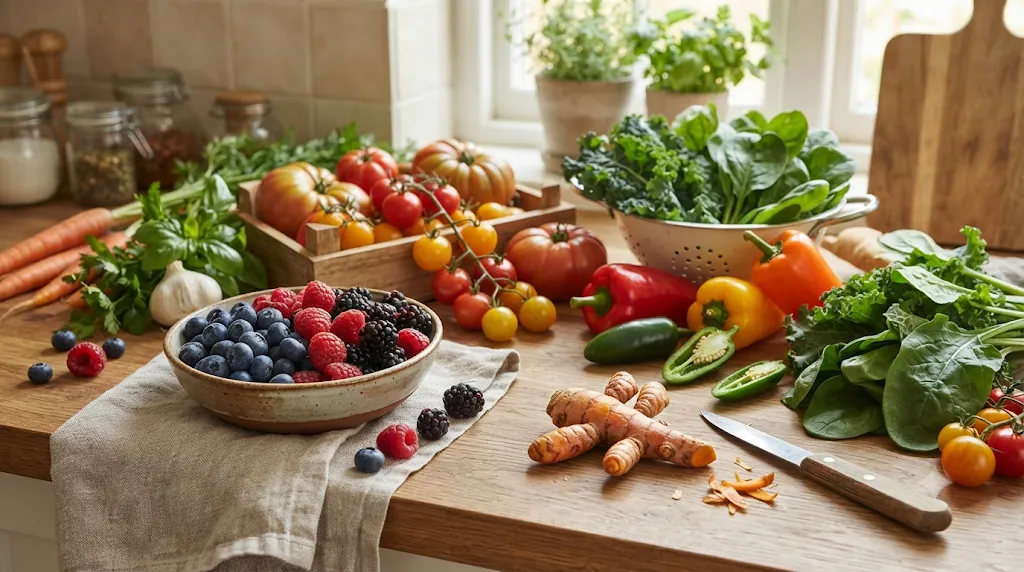
- Vegetables and fruit: especially colourful ones such as berries, leafy greens, tomatoes, peppers and carrots, which contain antioxidants and other plant compounds.
- Whole grains: oats, brown rice, barley, quinoa and wholemeal bread instead of refined versions.
- Beans, lentils and chickpeas: rich in fibre and protein.
- Fish: particularly oily fish such as salmon, sardines and mackerel, which provide omega-3 fats. See our guide to omega-3 benefits.
- Nuts and seeds: walnuts, almonds, flaxseed and chia in modest amounts.
- Olive oil: as the main added fat, in place of butter and many processed oils.
- Herbs and spices: ginger, turmeric, garlic, cinnamon and others, which add flavour, though their health effects are modest.
- Plain yoghurt and a little low-fat dairy, if you tolerate them.
This list sounds familiar because it overlaps heavily with the Mediterranean diet, which is why many doctors suggest it as the simplest way to eat in an anti-inflammatory way.
Foods to limit
The other half of the approach is just as important, and probably more so for most people.
- Ultra-processed foods: packaged snacks, instant meals, hot dogs, chicken nuggets, sugary cereals, and many baked goods and sauces.
- Added sugar: sweetened drinks, sweets, desserts and flavoured yoghurts.
- Refined grains: white bread, white pasta and white rice in large amounts.
- Processed and cured meats: bacon, sausages, ham and salami.
- Deep-fried foods and foods high in saturated fat, such as large amounts of butter, cheese and fatty meats.
- Heavy alcohol use, which can promote inflammation and damage the liver.
Harvard Health also notes a 2025 report suggesting that ultra-processed foods may alter gut bacteria, affect the gut lining and activate inflammatory pathways, and other studies link them with heart disease, cancer, diabetes and shorter lifespan. Some sugar substitutes, such as aspartame, erythritol and sucralose, have also been linked with inflammation in some studies, but the research is not settled.
What the research actually shows
The evidence is strongest for arthritis, heart and gut health and diabetes, and weaker for conditions such as cognitive decline and autoimmune disease. The most consistent finding is that whole-food patterns such as the Mediterranean and DASH diets are linked with lower risk of heart disease and type 2 diabetes.
It is important to be honest about the limits. No single anti-inflammatory diet has been proven to treat a disease by itself. Many studies are observational, people often change several things at once, and effects on blood markers are usually modest. A food that lowers CRP in a lab study does not necessarily improve how you feel or how long you live.
Some eating patterns are often called “anti-inflammatory” without good evidence, such as strict elimination diets for people without a diagnosed intolerance or allergy. These can lead to nutrient gaps and anxiety about food. If you suspect a particular food causes symptoms, a doctor or registered dietitian can help you test that safely.

A sample day of anti-inflammatory eating
This is a template to adapt, not a rule.
- Breakfast: porridge made with oats, topped with berries, a spoon of ground flaxseed and a few walnuts. Tea or coffee without sugar.
- Lunch: lentil and vegetable soup with wholemeal bread, plus a green salad dressed with olive oil and lemon.
- Snack: an apple and a small handful of almonds, or plain yoghurt with fruit.
- Dinner: grilled salmon, or chickpea and spinach curry, with brown rice and steamed broccoli.
- Drinks: water, herbal tea, or a golden milk made with a little turmeric and black pepper.
If you prefer South Asian flavours, a dal, a plate of vegetables cooked with spices and a small portion of whole grains already fits this template well. If you have a long-term condition, adapt the plan with your dietitian.
Spices and supplements: where the hype runs ahead
Turmeric and its main compound curcumin are the most famous “anti-inflammatory” spice. Laboratory and some clinical studies suggest effects on inflammation, particularly in joint pain, but curcumin is poorly absorbed, results vary, and supplements can interact with medicines. Our detailed guide to turmeric benefits and safety covers this. Ginger, garlic and cinnamon are pleasant additions to food, but Harvard Health describes the benefits of spices as modest.
Supplements marketed for inflammation, such as fish oil, curcumin, boswellia and others, should be discussed with a doctor, particularly if you take blood thinners or have a condition. Food comes first. No capsule can offset a diet of ultra-processed meals.

Lifestyle factors that matter as much as food
Inflammation is influenced by more than diet. Regular physical activity, even brisk walking, lowers inflammatory markers over time. Poor sleep and chronic stress are associated with higher inflammation, and body fat, particularly around the abdomen, produces inflammatory signals. Smoking is a major driver, and stopping has benefits that no diet can match.
This is why a realistic plan includes movement, sleep and stress care alongside the plate. Our guides on natural stress relief and an Ayurvedic bedtime routine can help.
What the classical Indian texts say about food and inflammation
The word “inflammation” does not appear in the classical texts, but Ayurveda has related ideas. It speaks of ama, a sticky, undigested residue thought to form when digestion is weak, and of agni, the digestive fire. Meals eaten when not hungry, in excess, or at irregular times are said to produce ama, which is associated in the tradition with heaviness, fatigue and disease. The Charaka Samhita also discusses viruddha ahara, or incompatible food combinations, in the chapter on dietary rules (Sutrasthana 26), cautioning against certain habitual combinations and preparations.
The Bhagavad Gita (17.9) describes foods that are excessively bitter, sour, salty, hot, pungent, dry or burning as rajasic, saying they bring pain, grief and disease. By contrast, verse 17.8 praises foods that promote life, strength, health and joy as sattvic. Many people find that this classification maps onto the idea of preferring fresh, simply cooked food over heavy, over-spiced, fried or stale meals. Turmeric (haridra) and ginger (shunthi, dry ginger, and ardraka, fresh ginger) have long been used in Indian kitchens and Ayurvedic formulations.
These teachings are part of a cultural and spiritual tradition and are not clinical evidence. They are best read as a reminder to eat attentively, at regular times, and in measure. For a deeper look, see our sattvic diet guide.
Common mistakes and myths
- Cutting out whole food groups without a medical reason, such as all grains or all dairy.
- Relying on “superfoods”. No single food controls inflammation.
- Spending on supplements while eating mostly processed food.
- Fearing all fats. Olive oil, nuts and fish are helpful fats.
- Assuming “natural” means safe. Herbal supplements can interact with medicines.
- Skipping medical treatment for inflammatory conditions because a diet “should be enough”.
Anti-inflammatory diet questions answered
Can an anti-inflammatory diet cure arthritis?
No. It may help symptoms or overall health for some people, but medicines prescribed by your doctor are still essential in conditions such as rheumatoid arthritis.
Is coffee anti-inflammatory?
Moderate coffee appears neutral to slightly beneficial in many studies, but it depends on the person, and too much can affect sleep and anxiety.
Should I avoid nightshade vegetables?
There is no strong evidence that tomatoes, peppers and aubergines worsen inflammation for most people, unless you have a personal intolerance.
How quickly will I notice a difference?
Some people feel better within weeks, but meaningful changes in markers and risk build up over months and years.
Is it safe in pregnancy?
The foods are, but check fish choices and supplements with your midwife or doctor.
A note on sources and limits
This guide uses Harvard Health Publishing, NHS and other reputable sources. Nutrition science evolves, and individual needs differ, so please speak with your doctor or a registered dietitian before making major changes, particularly if you have a chronic condition or take medicines.
How to spot ultra-processed foods on a label
The phrase “ultra-processed” can feel vague, but a few clues on the ingredient list make it easier to spot. Long lists with items you would not find in a home kitchen are one sign: emulsifiers, flavour enhancers, colours, sweeteners, modified starches, hydrogenated oils and “flavourings”. Ingredients are listed from largest to smallest, so if sugar or a sugar by another name, such as glucose syrup, maltodextrin or dextrose, appears near the top, the product is probably more of a sweet than a food.
You do not need to avoid every packaged item. Plain tinned beans and tomatoes, frozen vegetables, plain yoghurt, wholemeal bread with a short ingredient list and tinned fish are all convenient and nutritious. A practical rule is to choose products with short lists of recognisable ingredients, to cook from scratch when you can, and to treat sweet snacks, fizzy drinks and ready meals as occasional items instead of daily staples.

Eating this way on a budget and in a busy week
A common objection is cost and time. The good news is that many of the most helpful foods are cheap: oats, dried or tinned beans and lentils, frozen vegetables and fruit, eggs, cabbage, carrots, onions, bananas, tinned fish and seasonal produce. Meal planning reduces waste, and cooking a large batch of soup, stew or dal once or twice a week gives you ready meals for days.
Keep a short list of five go-to meals that take under 20 minutes, such as an omelette with vegetables, beans on wholemeal toast with a side salad, a stir-fry using frozen vegetables, pasta with tinned tomatoes and spinach, or porridge with fruit and nuts. Prepare snacks in advance, for example chopped vegetables, fruit, plain nuts or boiled eggs. When you are tired, a simple meal at home still beats a processed takeaway, and over weeks the effect adds up.
How to make the change last
Dietary advice often fails not because it is wrong but because it is too ambitious. Harvard Health suggests changing habits gradually. Start with one meal, perhaps breakfast, and replace sugary cereal with oats and fruit. After two weeks, tackle another. Swap fizzy drinks for water or sparkling water with lemon. Keep treats in your diet, since strict rules often lead to rebound eating.
Focus on adding food before taking food away. More vegetables at lunch and dinner, a piece of fruit with breakfast, beans twice a week, and fish once or twice a week make the plate fuller and leave less room for processed items. Pay attention to how you feel: energy, digestion, sleep and mood often improve before any blood test changes. Celebrate those wins, and be patient with setbacks.
When inflammation needs a doctor, not a diet
Food is a supporting player for many inflammatory conditions, not the lead. See a doctor promptly if you have joint pain with swelling, warmth or morning stiffness lasting more than half an hour, persistent fever, unexplained weight loss, chronic diarrhoea, blood in your stool, skin changes with pain, chest pain, or shortness of breath. These may point to conditions such as rheumatoid arthritis, inflammatory bowel disease or infections that need proper treatment.
If you are prescribed medicines for an inflammatory or autoimmune condition, do not stop or change them because of a diet. Instead, bring your diet plan to your care team, so that everything works together. A registered dietitian can tailor food advice to your condition, medicines and preferences.
Ten simple swaps you can make this week
Small swaps are the easiest way to begin, and each one removes a little processed food while adding something nourishing.
- Swap sugary cereal for porridge oats with fruit.
- Swap white bread for wholemeal or seeded bread.
- Swap crisps for unsalted nuts or a piece of fruit.
- Swap fizzy drinks for water, sparkling water or unsweetened tea.
- Swap butter for olive oil when cooking and dressing salads.
- Swap sausages and bacon for beans, eggs, fish or skinless poultry on most days.
- Swap flavoured yoghurt for plain yoghurt with berries.
- Swap white rice for brown rice or a mix of grains and lentils.
- Swap deep-fried takeaway meals for a home-cooked stir-fry or curry loaded with vegetables.
- Swap late-night snacking for a regular evening meal and herbal tea.
You do not have to do all ten. Pick two, practise for a fortnight, and notice how they feel. Slow, steady swaps are more likely to become part of your normal routine than a dramatic overhaul, and they carry less risk of burnout or of tipping into restrictive eating.
Related guides
Further reading
- Harvard Health: Quick-start guide to an anti-inflammation diet
- NHS: How to eat a balanced diet
- Harvard T.H. Chan School: Mediterranean diet
This article is for general education and is not medical advice. If symptoms persist or worry you, please speak with a qualified healthcare professional.