
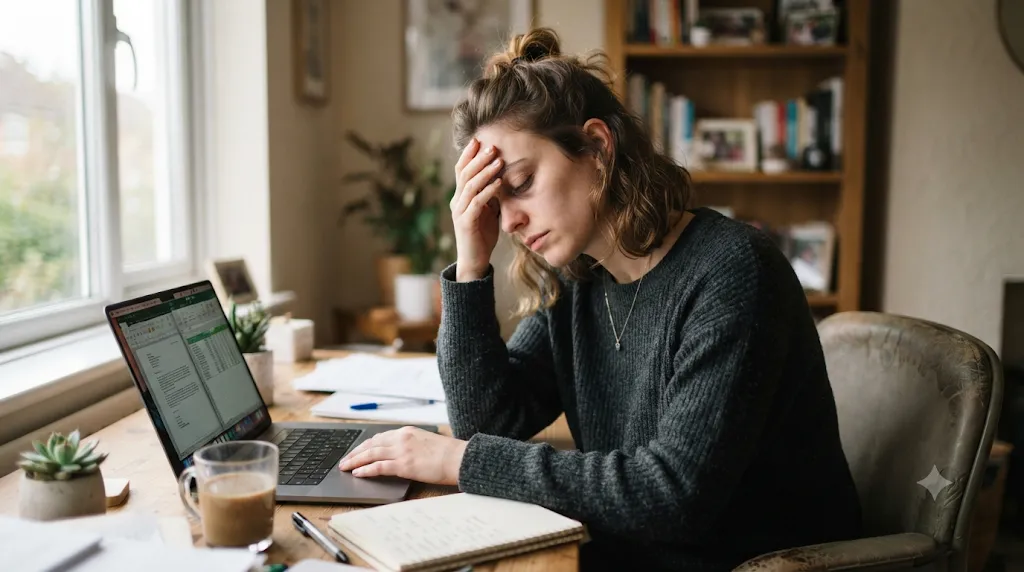
Feeling tired all the time is one of the most common reasons people visit a doctor, and iron deficiency is one of the most common causes that can be fixed. It affects teenage girls, women with heavy periods, pregnant women, vegetarians, frequent blood donors and people with digestive conditions, but it can also appear in men and older adults, in whom it sometimes signals bleeding somewhere in the gut.
Iron deficiency anemia is common, treatable and easy to miss, so persistent tiredness deserves a blood test, not guesswork or random supplements. This guide explains how iron works in the body, what iron deficiency anemia looks like, how it is diagnosed and treated, and how food and everyday habits can help. It uses information from the US National Institutes of Health, the NHS and NHLBI. If you are looking for answers about iron deficiency anemia, you will find practical advice here, along with a clear message about when to see a doctor.
The short version: Iron deficiency anemia happens when your body lacks enough iron to make healthy red blood cells. Common signs are tiredness, pale skin, breathlessness and poor concentration, but early on there may be none. Causes include heavy periods, low dietary iron, pregnancy, gut problems and blood loss. A blood test confirms it, and a doctor should find the cause. Iron-rich foods help, vitamin C boosts absorption, and supplements should be taken only when advised, because too much iron is harmful.
In this guide
- What iron does and what anemia means
- Iron deficiency anemia: symptoms to watch for
- Who is at risk
- How iron deficiency is diagnosed
- How much iron you need
- Iron-rich foods: heme and non-heme iron
- How to absorb more iron from your meals
- Iron supplements: when, how and what to expect
- Iron in pregnancy and for babies and children
- What Ayurveda says about pandu: the classical view of pallor and weakness
- A day of iron-friendly eating
- When to see a doctor
- Iron deficiency questions answered
- A note on sources and limits
- Heavy periods: what to ask your doctor
- Athletes, vegetarians and frequent blood donors
What iron does and what anemia means
Iron is a mineral your body needs to make haemoglobin, the protein in red blood cells that carries oxygen from your lungs to every tissue. It is also part of myoglobin in muscles and many enzymes. Without enough iron, the body makes fewer or smaller red blood cells, and tissues get less oxygen than they need. This is anemia.
Anemia has several causes. Low iron is the most common, but low vitamin B12 or folate, chronic kidney disease, inflammation, certain medicines and inherited conditions can also cause it. NHLBI lists other contributors such as long-term illness, cancer and heavy alcohol use. That is why a blood test and a doctor’s assessment matter. Treating the wrong cause can mean the real problem is missed.
Iron deficiency anemia: symptoms to watch for
The NIH notes that early iron deficiency often has no obvious symptoms. As it becomes anemia, signs can include:
- Tiredness, weakness and low energy
- Poor concentration and memory
- Pale skin, particularly on the inside of the lower eyelids
- Shortness of breath on mild exertion, and a fast heartbeat
- Headaches and dizziness
- Cold hands and feet and trouble controlling body temperature
- More frequent infections
- Brittle nails, hair loss, sore tongue or cravings for ice or non-food items (called pica)
- Restless legs in some people
These symptoms are not specific. Thyroid disease, poor sleep, depression and many other conditions cause similar problems, which is why a blood test is the only reliable way to know. Infants and children with low iron may develop learning and behaviour difficulties, so parents should raise concerns with a paediatrician.
Who is at risk
The NIH lists these groups as most at risk.
- Teenage girls and women with heavy periods
- Pregnant women and teenagers, because blood volume and fetal needs rise
- Infants, especially premature or low-birth-weight babies
- Frequent blood donors
- People with gut conditions such as coeliac disease, inflammatory bowel disease or after some types of weight-loss surgery
- People with cancer, heart failure or kidney disease
- People who eat little or no meat, poultry and seafood, or who have a poor diet overall
NHLBI suggests seeing a doctor if you need to change a pad or tampon in under two hours, since this is a sign of heavy menstrual bleeding. Some medicines, including proton pump inhibitors for acid reflux, can reduce absorption of plant iron over time. Men and post-menopausal women with iron deficiency usually need investigation for hidden blood loss, because this is less likely to be due to diet alone.

How iron deficiency is diagnosed
Your doctor will ask about symptoms, periods, diet, medicines, family history and any signs of bleeding, then arrange blood tests. A full blood count shows haemoglobin and the size of red cells. Ferritin, a measure of stored iron, is usually the most useful test for iron deficiency, though it can be falsely normal when there is inflammation. Other tests may include iron, transferrin saturation, vitamin B12 and folate.
If iron deficiency is confirmed, the next question is why. Heavy periods, a poor diet and pregnancy are common explanations, but adults, especially men and post-menopausal women, may be referred for tests of the digestive tract to look for bleeding or coeliac disease. Please do not start high-dose iron before getting tested. It can hide the picture, cause side effects and is dangerous for people with iron overload conditions such as hereditary haemochromatosis.
How much iron you need
The NIH gives recommended daily amounts, in milligrams, as follows.
- Girls and boys 9 to 13 years: 8 mg
- Teen boys 14 to 18: 11 mg; teen girls 14 to 18: 15 mg
- Men 19 to 50: 8 mg; women 19 to 50: 18 mg
- Adults 51 and over: 8 mg
- Pregnancy: 27 mg
- Breastfeeding women: 9 mg (10 mg for teenagers)
The NIH adds that vegetarians who eat no meat, poultry or seafood need about twice as much iron because plant iron is absorbed less efficiently. In the UK the guidance is around 8.7 mg a day for men and 14.8 mg for women aged 19 to 50, a little different because of different methods. The upper limit for total daily intake is 45 mg for adults, and a doctor may prescribe more for a limited time to treat deficiency.
Iron-rich foods: heme and non-heme iron
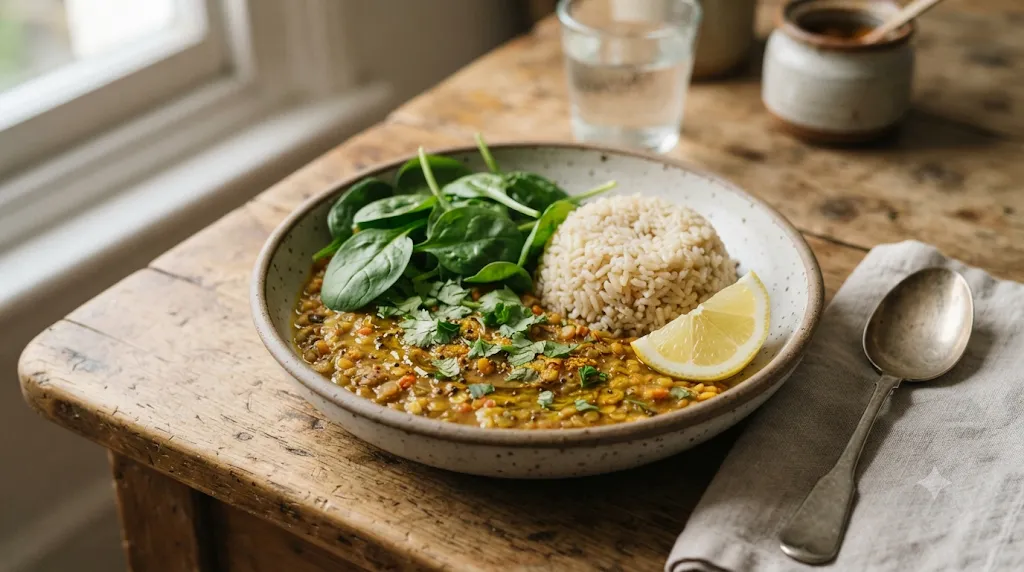
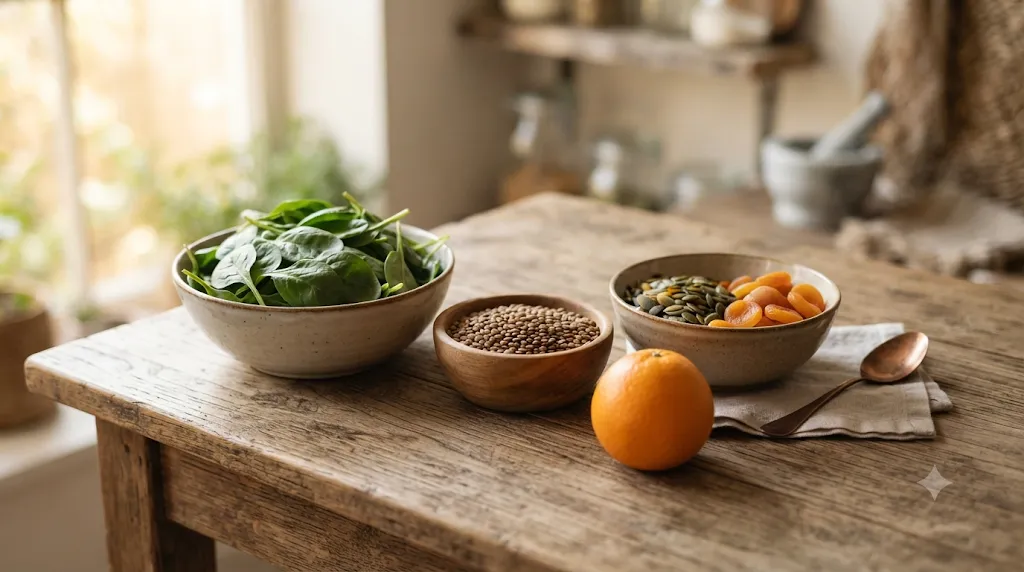
There are two types of dietary iron. Heme iron is found in meat, poultry and seafood and is absorbed better. Non-heme iron is found in plant foods and fortified products and is absorbed less efficiently. Good non-heme sources listed by the NIH include iron-fortified cereals and breads, white beans, lentils, spinach, kidney beans, peas, nuts and dried fruits such as raisins.
- Meat and fish: red meat, liver (in moderation, and avoided in pregnancy because of high vitamin A), poultry, sardines and shellfish.
- Pulses: lentils, chickpeas, kidney beans, white beans and tofu.
- Grains and seeds: fortified breakfast cereals, oats, quinoa, pumpkin seeds and sesame seeds.
- Vegetables and fruit: spinach, kale, broccoli, dried apricots, raisins and dates.
- Other: eggs, nuts and dark chocolate in small amounts.
Spinach is often called an iron superfood, but it contains compounds called oxalates that reduce absorption, so it is helpful but not as powerful as the legend suggests.
How to absorb more iron from your meals
What you eat with iron matters almost as much as the iron itself. The NIH notes that eating plant iron with meat, poultry or seafood, or with vitamin C-rich foods, enhances absorption.
- Add vitamin C: squeeze lemon on dal, eat peppers or tomatoes with beans, have an orange or strawberries with fortified cereal, or add broccoli to a lentil dish. Amla, rich in vitamin C, is a traditional Indian choice; see our amla benefits guide.
- Separate tea and coffee from meals: the tannins and polyphenols can reduce non-heme iron absorption, so have them an hour or two before or after.
- Mind calcium: calcium supplements and large amounts of dairy at the same meal can interfere, so take them at a different time of day.
- Soak and ferment grains and pulses: traditional methods such as soaking, sprouting and fermenting reduce phytates that block absorption.
- Use cast iron cookware: cooking acidic foods such as tomato sauce in iron pots can add a modest amount of iron to the food, although it should not be your only strategy.
Iron supplements: when, how and what to expect
If a blood test shows deficiency, a doctor or pharmacist will usually advise an iron tablet, often taken once a day or on alternate days, depending on the guidance and your tolerance. Many people absorb iron better on an empty stomach, but this can upset the stomach, so taking it with a little food is a reasonable compromise. Vitamin C may help absorption.
Common side effects include constipation, nausea, abdominal pain, dark stools and diarrhoea. Switching brand, lowering the dose or taking it on alternate days can help. NIH warns that large doses can cause organ damage in extreme cases, and that accidental overdose of iron-containing products is a leading cause of fatal poisoning in children under six, so store tablets out of reach. Iron can reduce absorption of levothyroxine and levodopa, and PPIs and antacids can reduce iron uptake, so bring your medicine list to your appointment.
Treatment usually continues for several months after haemoglobin normalises, to rebuild stores. A repeat blood test confirms that it is working. If iron tablets do not help, or you cannot tolerate them, doctors can offer iron infusions in some situations.
Iron in pregnancy and for babies and children
Pregnancy increases iron needs substantially, to 27 mg a day in the US recommendations, because of the extra blood volume and the developing baby. Midwives usually check haemoglobin at booking and later in pregnancy and advise treatment if needed. Do not start supplements without advice, because individual needs vary and high doses cause side effects.
Babies are born with iron stores that begin to run low around six months, when solid foods are introduced. Iron-rich foods such as iron-fortified cereals, well-cooked meat, fish, eggs, beans and lentils are advised. Cow’s milk should not be the main drink before 12 months. Toddlers and teenagers can also become deficient when growth is rapid, so a paediatrician can check if a child seems pale, tired or has poor appetite.
What Ayurveda says about pandu: the classical view of pallor and weakness
Ayurveda describes a condition called pandu roga, in which the skin becomes pale or yellowish, the person feels weak, tired and short of breath, and the appetite falls. It is dealt with in the Charaka Samhita (Chikitsa Sthana, chapter 16) and in other classical works. Pandu is often compared by modern practitioners to anemia, although the correspondence is not exact, and the texts do not have the concept of haemoglobin or blood tests.
Traditional management includes improving digestion (agni), choosing nourishing foods, and using certain herbs and preparations. Familiar foods in this tradition include sesame seeds, dates, raisins, jaggery (guda), amla, pomegranate and leafy greens, many of which also appear in modern lists of iron-containing or iron-supportive foods. Some Ayurvedic formulations use mineral preparations such as lauha bhasma (processed iron) or mandura bhasma. Here caution is essential. The US FDA has warned that some Ayurvedic products contain harmful levels of lead, mercury or arsenic, and these should not be taken without qualified supervision and testing.
The Bhagavad Gita (6.17) calls for moderation in food and in sleep, and (17.8) describes foods that nourish and sustain strength as sattvic. That attitude, regular and wholesome meals, enough rest and attention to digestion, still makes sense. But classical teachings are not a replacement for a blood test. If you suspect anemia, see a doctor, and tell them about any herbal products you use. See also our sattvic diet guide and Ayurvedic tips for better digestion.
A day of iron-friendly eating
This sample is for general inspiration. Adjust it to your needs, culture and medical advice.
- Breakfast: fortified cereal or oats with chopped dried apricots and seeds, plus an orange or a glass of orange juice.
- Lunch: lentil dal with lemon, brown rice or wholemeal roti, and a salad of tomato, pepper and cucumber.
- Snack: a handful of nuts and raisins, or hummus with carrot sticks.
- Dinner: chicken or fish with steamed broccoli and potatoes, or a chickpea and spinach curry with a squeeze of lemon.
- Drinks: water, and tea or coffee between meals rather than with them.
When to see a doctor
See a doctor if you have symptoms of anemia that last more than a couple of weeks, if you have heavy or prolonged periods, if you notice blood in your stool or black tarry stools, or if you have unexplained weight loss. Seek urgent help for chest pain, severe breathlessness, fainting or a very fast heartbeat.
If you are pregnant, planning pregnancy, vegetarian or vegan, or a frequent blood donor, ask about checking your iron levels. Never self-diagnose and start high-dose iron, especially if you have a family history of haemochromatosis.
Iron deficiency questions answered
Can I get enough iron from a vegetarian diet?
Yes, with planning. Eat pulses, whole grains, seeds, fortified foods and vitamin C-rich foods, and avoid tea with meals. Ask about testing if you feel tired.
How long does it take to correct iron deficiency?
Many people feel better within a few weeks, but it takes several months to rebuild iron stores.
Is ferritin the same as iron?
No. Ferritin reflects stored iron and is the most useful test for deficiency. Serum iron fluctuates through the day.
Can too much iron be harmful?
Yes. Excess iron can damage organs, and some people are genetically prone to overload. Test before supplementing.
Does iron deficiency cause hair loss?
It can contribute in some people, along with other causes such as thyroid problems, stress and hormonal changes.
A note on sources and limits
This guide draws on the NIH Office of Dietary Supplements, NHLBI and NHS information. Recommendations differ slightly between countries, and your needs depend on your health, so please speak to a doctor or registered dietitian for personal advice.
Heavy periods: what to ask your doctor
Heavy menstrual bleeding is the most common cause of iron deficiency in women of reproductive age, and many do not realise their periods are heavy because the pattern has always been the same for them. Signs include soaking through a pad or tampon in under two hours, passing large clots, bleeding for more than seven days, needing to change protection at night, or avoiding activities because of leaks.
Ask your doctor to check your iron levels and also to look for causes such as fibroids, polyps, hormonal imbalance, thyroid problems or bleeding disorders. Treatment options include hormonal methods, tranexamic acid and other medicines, and sometimes procedures. Treating the cause is as important as replacing the iron, otherwise the deficiency tends to come back. Keeping a record of your bleeding in a diary or app helps the discussion.
Athletes, vegetarians and frequent blood donors
Endurance athletes can lose iron through sweat, gut bleeding and a process that raises hepcidin, a hormone that reduces absorption after hard exercise. Female athletes are at particular risk. If you train hard and feel unusually tired, ask your doctor about testing instead of guessing.
Vegetarians and vegans can meet needs with planning, but should include iron-rich plant foods, vitamin C at meals and fortified foods, and be aware of vitamin B12, which also affects blood. Frequent blood donors can ask their donation service about their iron policy, because many measure haemoglobin before each donation and may advise a pause or supplements.
Related guides
- Amla benefits and safety
- Why am I always tired?
- Sattvic diet explained
- Ayurvedic tips for better digestion
Further reading
- NIH Office of Dietary Supplements: Iron, consumer fact sheet
- NHLBI: Anemia causes and risk factors
- NHS: Iron deficiency anaemia
- FDA: Heavy metal poisoning from certain unapproved Ayurvedic products
This article is for general education and is not medical advice. If symptoms persist or worry you, please speak with a qualified healthcare professional.